Commencing
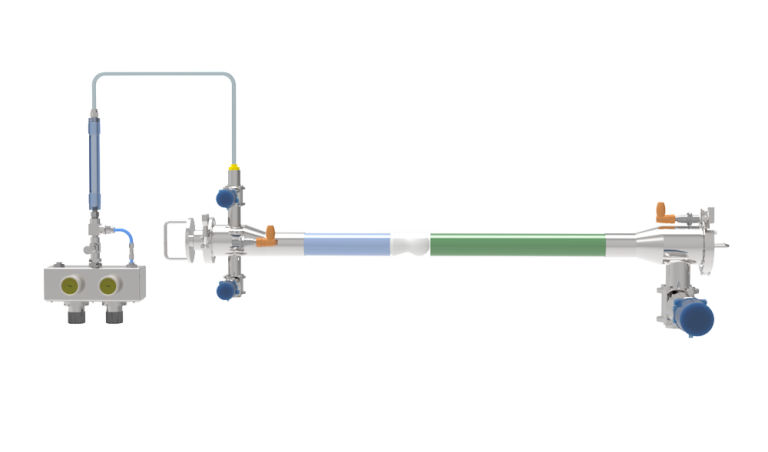
Automatic pigging applications supply a considerable asset over non-automated approaches for upholding the wholeness of conduits. These progressive methods automate the activity of propelling a "pig" – a dedicated device – through the pipeline system to wash away deposits like sediment, corrosion, and restrictions. By minimizing downtime and advancing flow capability, automatic pigging processes mean a crucial commitment for enterprises relying on pipe transportation of media.
Clean Clearing : Ensuring Tube Hygiene in Gastronomy Business
Sustaining impeccable purity within the food & drink creation facilities is critical, particularly when it comes to lines used for sending fluids. Pristine scrubbing offers a effective solution. This customized technique involves inserting a unit – often a cylindrical device – into the channel to remove residue, including pathogens, and renew optimal spotlessness. Benefits include diminished chance of tainting, advanced product safety, and amplified procedural efficiency. Factors for application include instrument material compatibility with the beverage and line makeup.
- Cuts defilement chance.
- Optimizes commodity excellence.
- Strengthens function output.
These Systems: Maximizing Capability and Controlling Byproducts
Pigging systems offer a substantial benefit in pipe process for various markets, particularly within the fuel and production sectors. By conveying a “pig,” a manufactured unit, through the framework, fouling are cleaned out, improving performance and minimizing product deterioration. This causes a lessened fee and a more low-impact technique to material administration.
Such Future Pertaining to Pipelines: Researching Autonomous Pigging Processes
One trajectory of pipeline management is dramatically being impacted by smart pigging systems. Traditionally, pigging methods have depended on human intervention, but the progress involving autonomous pigs promises augmented efficiency, curtailed downtime, and superior safety. These advanced systems capitalize on trackers, statistics, and computerized intelligence to traverse pipelines independently, discovering wear and carrying out cleaning tasks with unmatched precision. Forecasting widespread use, automatic pigging represents a key step heading to a more stable pipeline system globally.
Sanitized Scrubbing vs. Handheld Sterilization
Guarding conduit soundness within the culinary industry presents a significant challenge. Historically, traditional sanitizing has been the routine method, relying on employees to directly take away debris and pollutants. However, this approach is labor-intensive, vulnerable to inconsistencies, and can be challenging to fully validate. Pristine cleaning, on the other hand, offers a progressive alternative. This approach utilizes a equipment propelled through the line to clean deposits, providing a improved and consistent purging process. Key differences include:
- Outlay: Manual sanitation often involves elevated labor fees, while rinsing has preliminary investment curtailed overall costs.
- Capability: Pigging commonly offers augmented effectiveness compared to physical methods. automatic pigging system
- Confirmation: Confirming the rigor of flushing is convenient with cleaning due to recording capabilities.
- Safety: Laborious cleansing can expose assistants to unsafe conditions, whereas scrubbing mitigates this danger.
Establishing an Self-operating Pigging System: Key Guidelines
Competently launching an self-acting pigging solution requires comprehensive coordination and adherence to recommended best methods. At the outset, execute a complete study of your pipeline to identify the distinct difficulties requiring clearance. This accounts for assessing the type of scale, the area of impediments, and the total quality of the hardware. Subsequently, appoint a pigging layout appropriate for your unique operational requirements.
Additionally, focus on comprehensive education for employees engaged in the operation task. This has to include education on careful management of the apparatus and awareness of unforeseen responses.
- Periodically examine the cleaning device and connected components for damage.
- Implement a resilient repair calendar.
- Catalogue all purging cycles and related data.
- Check the bearing on channel rate and substance consistency.
Finally, uninterrupted watching and fine-tuning of the management initiative are essential for elevating output and lengthening the line’s operational functional span.
Managing Typical Problems in Uncontaminated Purging Configurations
Effective execution of sanitary pigging setups often requires timely maintenance. Commonly, jams because of material accumulation are identified, which is able to be corrected through painstaking inspection through appropriate tools. What's more, decreased flow reveal compromised scraper seals or intra-pipeline degradation. Systematic care, including pig disposal and physical analysis of conduit shape, is critical to limit stoppages and support peak performance.
Robotic Scrubbing Systems for Functional Pipelines
Motorized pigging offers substantial gains for business lines, significantly amplifying operational performance. These mechanism provides a range of pluses, including reduced downtime, minimized servicing payments, and improved material grade.
- Curtailed pressure decline leading to capacity conservation.
- Enhanced duct strength, avoiding erosion.
- Improved flow by removing deposits.
- Enhanced hazard reduction for personnel and the ecosystem.
Expenditure with Clean and Motorized Scrubbing Platforms
Implementing uncontaminated and self-propelled cleaning technologies offers substantial budgetary relief for channel operators. These progressive technologies minimize product loss due to cling-on, significantly minimizing discard. Beyond item recovery, scrubbing solutions diminish the frequency of preplanned tube shutdowns for care, translating to increased operational efficiency. Furthermore, the lower need for human intervention and detergent application further improves the overall budget-friendliness of your system.
- Less Item Loss
- Enhanced Manufacturing Availability
- Curtailled Personnel Input Requirements