Rapidly expanding typical clothes washing market, pipeline pigs furnish a valuable improvement in operating cleaning agents. This novel strategy minimizes refuse of powerful substance by utilizing a forcer to expel it through the passage – effectively emptying the container. Knowing the basics of these solutions can result in reduced expenses and a greater environmentally responsible practice.
Slug Systems Modernize Laundry Product Use
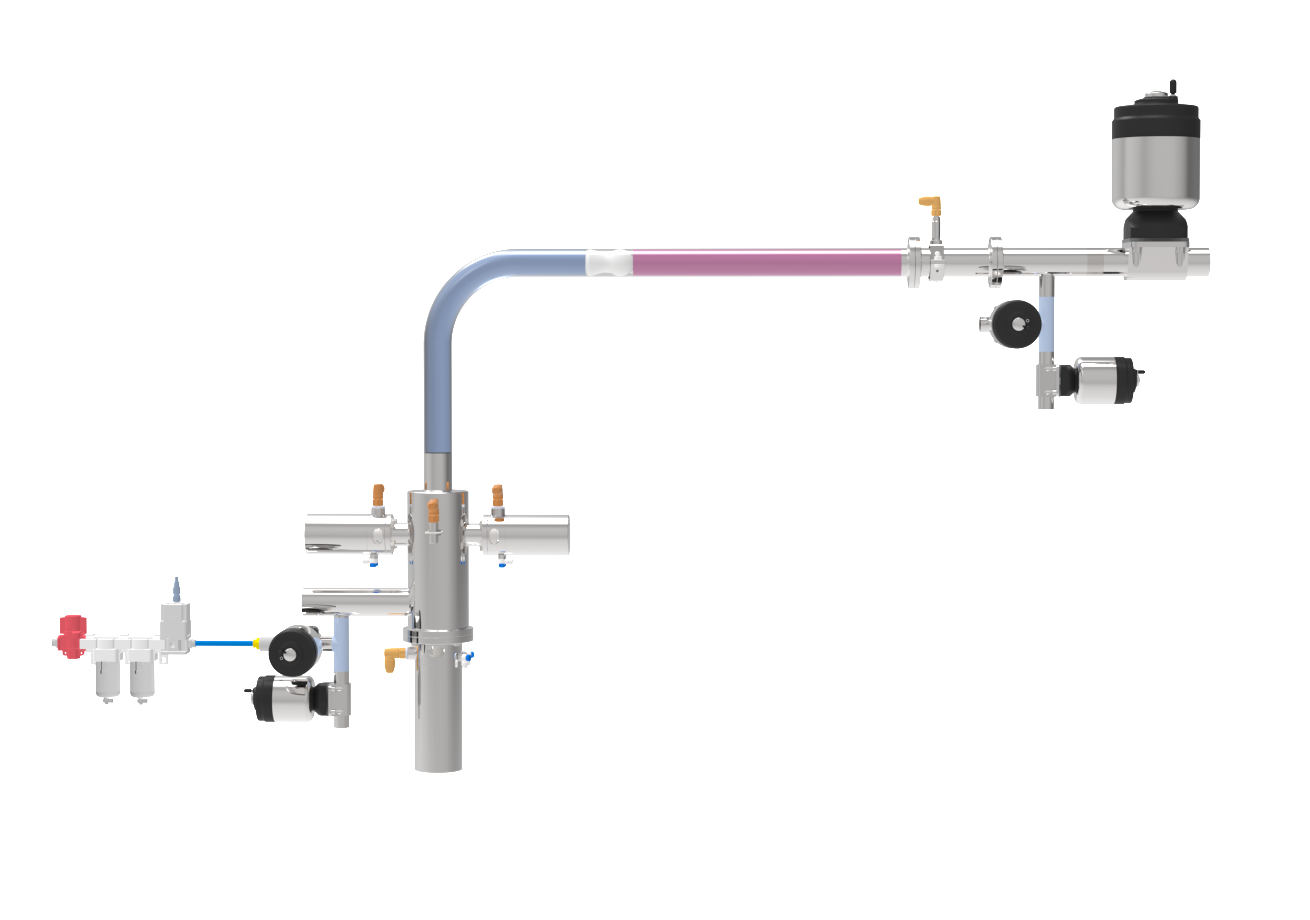
The established method of relocating apparel-cleaning detergent presents marked challenges, often leading to excess and low productivity. However, a breakthrough approach – pigging systems – is thoroughly altering how companies handle these bulk materials. These systems utilize a bendable "pig," a dense gadget, to expel the detergent through a channel, efficiently eliminating air pockets and ensuring nearly thorough product restoration. Benefits include lessened loss, amplified functionality, and a minimized environmental effect.
- Minimizes detergent excess
- Amplifies production efficiency
- Promotes sustainable practices
Refining Detergent Displacement via Pigging Systems
Improving effectiveness in laundry facilities often involves addressing complications related to detergent dispensing. Traditional systems frequently experience excess due to residual detergent clinging to pipes and lines, leading to increased operational expenditures. Pigging systems, originally utilized in the gasoline industry, provides a compelling method to this obstacle. By sending a “pig”—a specialized apparatus—through the detergent tubes, these systems effectively discard remaining product, maximizing usage and minimizing inefficient material. This ultimately results in a more green and profitable laundry method for businesses.
Pros of Pigging for Laundry Cleaner Manufacturing
Implementing pusher systems offers substantial positives for laundry detergent assembly facilities. These systems effectively extract product relics from process conduits, minimizing overflow and reducing pauses during cleansing. Consequently, total effectiveness is improved, causing decreased operational costs and a responsible system. Furthermore, pigging systems facilitates to defending consistency by preventing intermingling between segments and ensuring a cleaner final substance.
Reducing Waste & Improving Efficiency: Laundry Detergent Pigging
Laundry fabric soap manufacturing can cause significant discard material, but a progressive process called “pigging” offers a solution to reduce this difficulty. This approach involves using a bendable tool, the "pig," to move remaining detergent from the filling lines, often disposed as discard. By repossessing this previously forgotten detergent, companies can noticeably reduce expenditures and increase overall workplace competence. The environmental virtues are also weighty, as it reduces the volume of scrap sent to disposal sites.
- Minimizes Material Consumption
- Boosts Manufacturing Performance
- Curtailed Environmental Damage
Employing Displacement Devices in Laundry Production
To refine capacity and curtail downtime in your laundry laundry soap assembly establishment, review deploying a cleaning system. This modern technology robustly evacuates retained substance and deposits from conduits, consequently improving functionality and shrinking refuse. A well-designed displacement system can also amplify the existence of your conduits framework, resulting in significant economic decreases and a more responsible operation.
Eco-Friendly Approaches in Fabric Soap Pigging
The practice of laundry detergent reusing presents a persuasive method towards a strengthened renewable planet. Generally, leftover laundry solution remains in packaging laundry detergent pigging system become leftover material, bringing to sustainability pressure. However, this new process involves reclaiming these lingering totals and reprocessing them into functional goods, especially organic feed or industrial parts.
- Lowers dump amount
- Minimizes stock consumption
- Offers a green business scheme
Developing Slugging Systems for Laundry Soap Needs
The planning of a cleaning mechanism for laundry washing agent purposes presents specialized obstacles. Exact evaluation must be given to the texture of the product, which can change considerably depending on design and temperature. Besides, the harshness of certain ingredients necessitates the use of strong tool compound and fitting duct structure. Reliable slugging involves a meticulous force pattern to ensure entire clearance of residual material and prevent stoppages or break to the tube layout.
Problem Solving and Caring for Detergent Pushing Systems
Regular attentive management and quick fault-finding are crucial for maximizing the reliability of laundry fabric cleaner pigging mechanisms. Regular issues comprise blockages within the channel, cleaning agent buildup inhibiting flow, and valve faults. Systematic inspections, embracing instrumental reviews of hoses, elbows, and the pig itself, are obligatory. Remediating these problems immediately – often through decontaminating the system or upgrading worn modules – can curtail costly breaks and boost the service life of the entire setup.