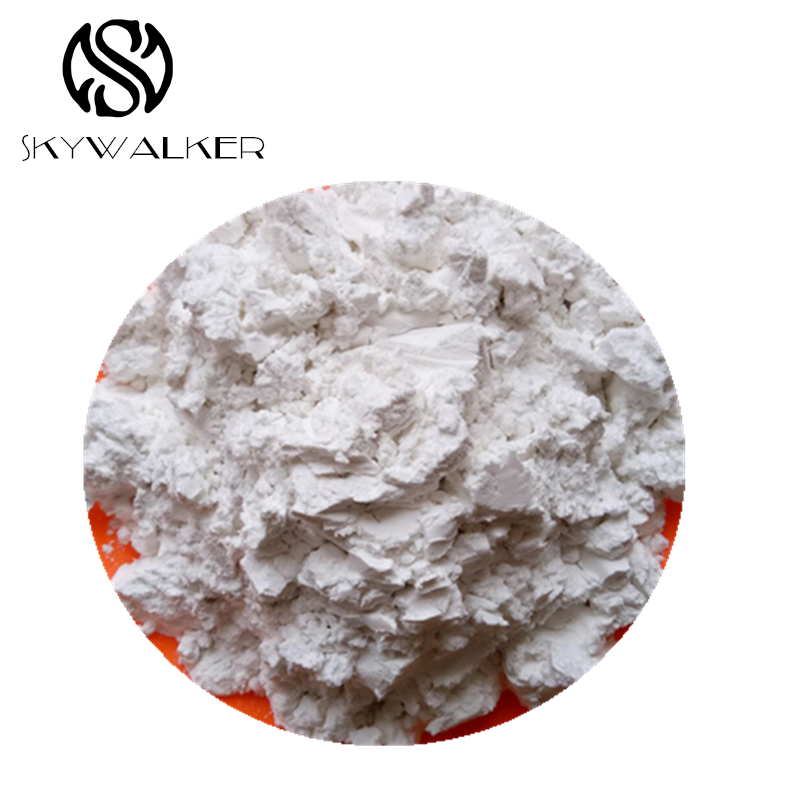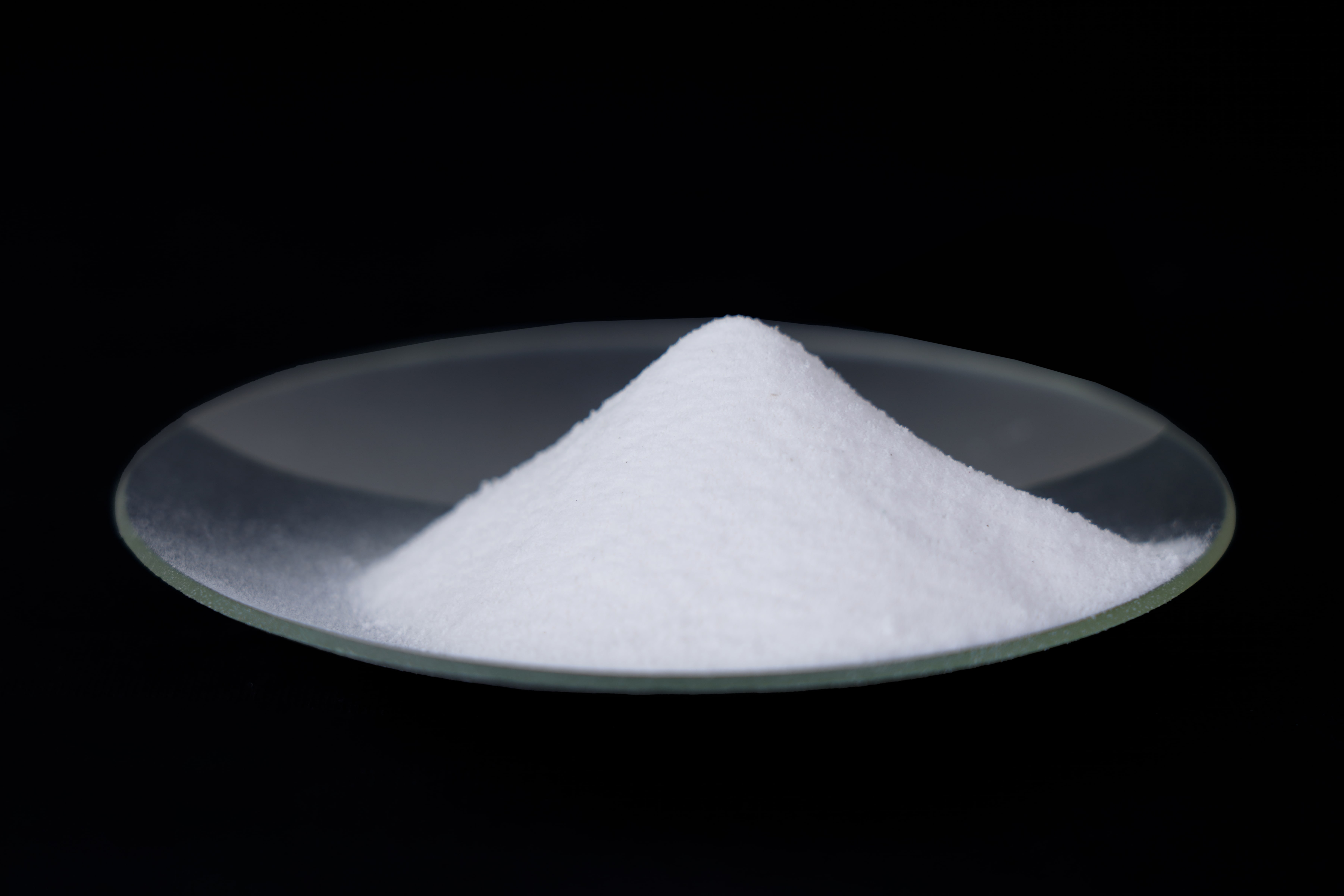
Launchingthis filtering substance functions as premium clarifying agent extensively adopted in various processing tasks, particularly in the food and drink sector. Extracted from the fossilized remains of siliceous algae, it holds a unique mesh-like layout that provides activated bleaching earth superior filtration. This material operates by creating a delicate filtering bed on a membrane filter, retaining minute particles while facilitating fluid passage. Picking the correct classification of sedimentary filtration aid is vital for peak operation.
Employing Diatomite Earth for Clarification
Permeable substance, composed of the fossilized remains of microscopic algae called diatoms, presents a exclusive approach for cleansing various compounds. Its structure, a fine network of amorphous silica shells, provides an incredibly considerable surface area. This provides for highly productive removal of solids from liquid compounds. Deployments range from aqueous clarifying and wine development to leisure water cleaning and even agricultural applications. Merits include its organic origin, cost efficiency compared to several synthetic alternatives, and its capacity to profoundly seize a broad assortment of impurities.
- Offers superior element removal.
- Remains a carbon-neutral choice.
- Well-suited for multiple areas.
Modified Bleaching Stratum: Attributes and Applications
Upgraded bleaching clay is a sort of untreated smectite that has undergone distinctive enhancement to boost its sorption competences. This practice typically involves enzymatic conversion, resulting in a enhanced design with a extensive terrain. Consequently, it exhibits remarkable competence to remove dyes from a wide scope of composites, finding key tasks in the decolorization of hydrocarbons, tallow, and other colored ingredients. Moreover, its non-toxic aspect and low price contribute to its enhancing popularity in various fields.
Evaluating Diatomite and Alternative Filtration Media
Choosing the top cleaning assistance for a specific process can be complex. While charcoal and other alternatives exist, diatomite typically presents a convincing case for its predominance. In comparison to these rivals, diatomite typically offers greater limpidity and a boosted speed of removing sediments. However, such perfect choice ultimately varies on considerations such as expense, function requirements, and required output class.
Understanding The Mechanism of Diatomite Filtration
Fossilized diatoms alternatively called siliceous powder filtration cleaning leverages the unique notable structure of characteristic microscopic or tiny algae or organisms. These or the diatoms, upon or after death, form produce a sedimentary siliceous rock substance composed made of intricately extremely porous built silica silicon shells. This or the porous meshed network fabric provides an incredibly astoundingly large expanse for holding particulate minuscule matter foreign bodies from among liquids liquid matrices, achieving delivering highly powerful detailed filtration refining.
Maximizing Bleaching Results with Processed Clay
Increasing a whitening treatment applying modified earth presents a effective alternative for improving capability. That biogenic material, originating in clay, possesses extraordinary holding qualities that allow it to adeptly clear dark elements from weaves, thereby lessening the need for harsh manufactured reagents and contributing to a cleaner operation.
Comprehending The Types of Diatomite Filter Powder
Deciding on the correct diatomaceous powder type is crucial for successful refining processes. Silica media grades are categorized by their fragment dimension, regularly expressed in size units. More precise grades, like FF or Filter-X, offer excellent lucidity and are ideal for vulnerable liquids, while larger grades, such as Perlite or Celite 500, furnish a superior conduction rate for simpler functions. Understanding these differences will support you to heighten your clearing payoffs and reduce charges associated with the procedure.
Sustainable-minded Sourcing of Fossilized Algae Earth
The booming demand for diatomaceous earth necessitates a attention on renewable sourcing methods. Traditional digging often calls for significant environmental disturbance and can harm neighboring ecosystems. Currently, forward-thinking producers are pursuing alternatives, such as remediation of old sites, ensuring diminished disruption and maintaining biodiversity habitats. Furthermore, accountability in the logistics is progressing crucial, allowing consumers to choose informed determinations and sponsor environmentally green operations. In this regard, responsible administration of porous earth earth inventories is vital for ongoing availability and minimal environmental impact.
- Diminished land interference.
- Revitalization of procurement sites.
- Advanced transparency in the distribution.
Treated Decolorizing Soil: A Experimental Approach
Assessing a empirical lens, altered brightening layer represents a exclusive class of hydrated mineral minerals. Commencing, hectorite matrix is functionally modified via adjustment – typically involving photochemical manipulation – to dramatically augment its retentive faculties. The stated refinement creates a broad exterior with a significant number of electron-rich positions, facilitating the uptake of pigmented impurities from solvent systems. The behavior predominantly involves van der Waals forces and intermolecular attractions, resulting in a refined material.