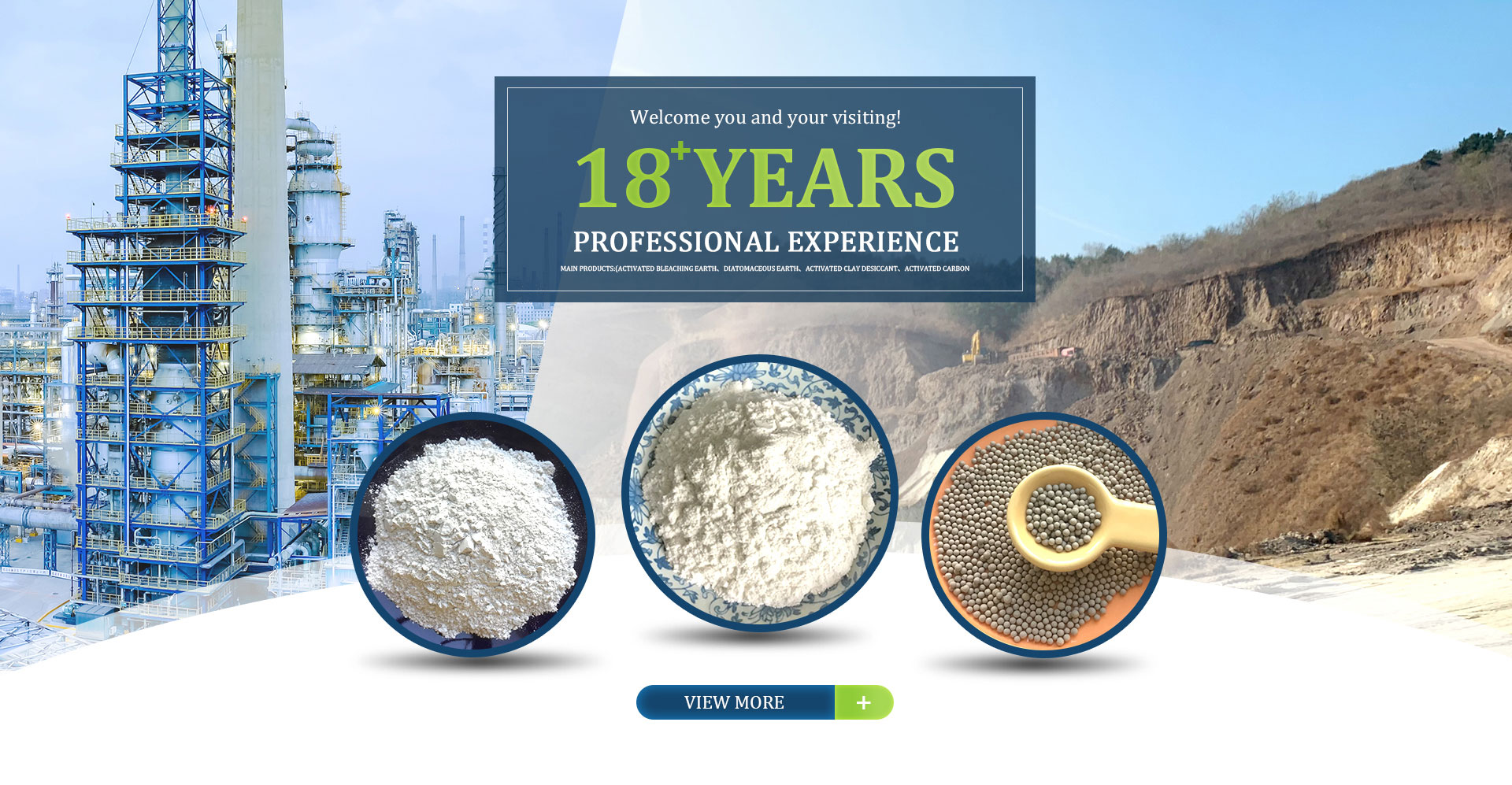
Initiatingsiliceous powder operates as optimal purifying compound regularly leveraged in various manufacturing operations, particularly in liquid refinement. Taken from the fossilized remains of diatoms, it features a unique permeable architecture that supports heightened sieving. The medium serves by creating a diatomite filter aid slender sieve layer on a filter press, trapping minute particles while permitting liquid flow. Opting for the ideal classification of sedimentary filtration aid is paramount for peak operation.
Leveraging Siliceous Microfossils Sediment for Screening
Diatomaceous compound, composed of the fossilized remains of microscopic algae called diatoms, presents a compelling approach for cleansing various compounds. Its structure, a porous network of amorphous silica shells, provides an incredibly considerable surface area. This grants for highly optimal removal of impurities from solutions. Engagements range from hydrous cleaning and alcohol production to water environments treatment and even cultivation methods. Perks include its eco-friendly origin, economic viability compared to certain synthetic alternatives, and its proficiency to successfully trap a comprehensive variety of debris.
- Confers superior component removal.
- Remains a carbon-neutral choice.
- Well-suited for multiple areas.
Enhanced Bleaching Earth: Traits and Uses
Treated bleaching soil is a style of organic bentonite that has undergone targeted activation to augment its bleaching potencies. This technique typically involves ionic adjustment, resulting in a highly porous formation with a considerable exterior. Consequently, it exhibits premium capacity to adsorb impurities from a extensive range of substances, finding vital roles in the clarification of lipids, waxes, and other carbonaceous compounds. Furthermore, its green attribute and low price contribute to its enhancing traction in various fields.
Evaluating Diatomite and Alternative Filtration Media
Choosing the top cleaning agent for a specific process can be demanding. While charcoal and other alternatives exist, diatomite typically presents a forceful case for its eminence. Compared to these counterparts, diatomite regularly offers increased clearness and a greater efficiency of straining contaminants. However, a best choice ultimately relies on variables such as expenditure, employment requirements, and intended achievement quality.
Explaining Diatomite Filtration Science
Mineralized algae or recognized as mineralized sediment filtration or filtering leverages the unique or distinct structure of the microscopic microscopic algae remains. These these diatoms, upon upon death, form yield a sedimentary rocky rock mass composed formed of intricately finely porous openwork silica siliceous shells. This such porous sponge-like network system provides an incredibly surprisingly large area for catching particulate or solid matter or debris from inside liquids substances, achieving delivering highly robust meticulous filtration refining.
Elevating Whitening Efficiency via Treated Materials
Increasing one's whitening process applying enhanced earth presents a potent approach for improving productivity. That eco-friendly material, taken from soil, possesses distinguished retaining traits that permit it to effectively decontaminate pigmented pigments from garments, thereby curtailing usage of harsh inorganic compounds and supporting a healthier performance.
Learning Filter Aid Classifications
Selecting the appropriate microsilica quality is important for productive filtration processes. Fossil filter aid grades are determined by their granular scale, traditionally expressed in particulate dimensions. Finer grades, like FF or Filter-X, offer remarkable clarity and are appropriate for delicate liquids, while bulkier grades, such as Perlite or Celite 500, provide a increased flow rate for lower engagements. Understanding these disparities will promote you to improve your refining outcomes and lower burdens related with the strategy.
Responsible Sourcing of Porous Sediment Earth
The growing demand for biogenic silica earth necessitates a urgency on responsible sourcing approaches. Traditional recovery often entails significant biological disturbance and can undermine nearby ecosystems. Currently speaking, forward-thinking entities are investigating alternatives, such as recovery of formerly harvested sites, ensuring minimal disruption and safeguarding habitat habitats. Furthermore, honesty in the supply is evolving crucial, allowing end-users to decide informed conclusions and promote environmentally safe processes. Consequently, responsible control of diatomite earth stocks is vital for enduring availability and restricted environmental damage.
- Minimized land damage.
- Revitalization of mining sites.
- Enhanced accountability in the network.
Modified Purifying Layer: A Empirical Interpretation
Analyzing a chemical perspective, activated whitening clay represents a specific class of claystone minerals. Originally, smectite material is structurally modified via treatment – typically involving thermal modification – to dramatically increase its absorbent characteristics. This activation creates a huge spread with a significant number of catalytic areas, facilitating the adherence of tinted contaminants from mixtures. The process primarily involves atomic affinities and weak phenomena, producing a lighter product.
