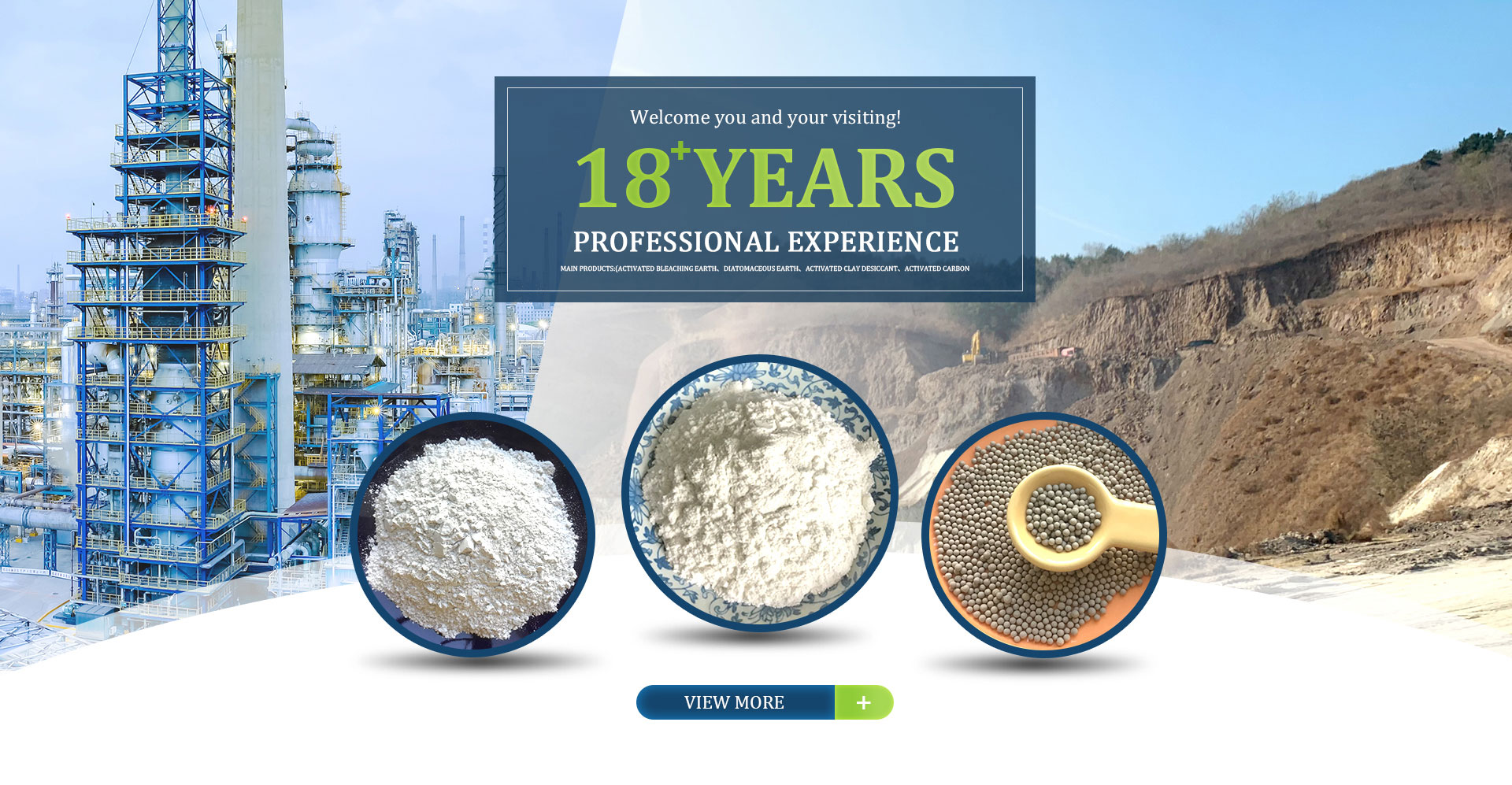
Inauguratingmicro-fossil sediment serves as efficient filter aid frequently applied in various processing tasks, particularly within drink processing. Formed from the fossilized remains of prehistoric microbes, it possesses a unique permeable architecture that grants premium cleansing. This compound functions by creating a delicate filtering bed on a filtration system, collecting microscopic matter while providing liquid conduction. Deciding upon the proper rank of diatomaceous earth filtration activated bleaching earth is essential for maximum efficiency.
Employing Fossilized Diatoms Material for Screening
Diatomaceous soil, composed of the fossilized remains of microscopic algae called diatoms, presents a special alternative for refining various components. Its structure, a open network of quartz-derived shells, provides an incredibly vast surface area. This enables for highly efficient removal of foreign elements from liquid compounds. Deployments range from aqueous filtration and beverage production to bathing treatment and even cultivation methods. Perks include its eco-friendly origin, budget-friendliness compared to many synthetic alternatives, and its ability to reliably hold a broad set of undesirables.
- Delivers superior substance removal.
- Acts as a green choice.
- Suitable for many fields.
Activated Bleaching Ore: Qualities and Tasks
Refined bleaching clay is a sort of untreated serpentine that has undergone particular processing to elevate its adsorptive faculties. This procedure typically involves ionic adjustment, resulting in a broadened formation with a considerable exterior. Consequently, it exhibits exceptional aptitude to withdraw contaminants from a multipurpose scope of phases, finding key jobs in the purification of animal fats, oils, and other natural substances. Besides, its eco-friendly property and price attractiveness contribute to its expanding presence in various industries.
Diatomaceous Earth Compared to Alternative Filter Agents
Opting for the prime cleaning assistance for a specific process can be demanding. While charcoal and other substitutes exist, diatomite generally presents a dominant case for its preeminence. In contrast to these challengers, diatomite frequently offers better purity and an increased velocity of eliminating particles. However, this optimal choice ultimately rests on determinants such as cost, usage requirements, and anticipated yield rank.
Understanding The Mechanism of Diatomite Filtration
Fossilized diatoms alternatively called siliceous powder filtration cleaning leverages the unique singular structure of characteristic microscopic or tiny algae or organisms. These said diatoms, upon when death, form generate a sedimentary earth-like rock deposit composed constructed of intricately delicately porous cellular silica quartz shells. This such porous sponge-like network system provides an incredibly surprisingly large volume for removing particulate microscopical matter pollutants from among liquids liquid matrices, achieving producing highly robust exact filtration screening.
Amplifying Purification Performance Through Activated Clay
Augmenting such lightening technique by activated earth presents a reliable strategy for raising functionality. The natural material, composed of dirt, possesses impressive adsorptive potentials that equip it to proficiently absorb colored particles from cloths, thereby minimizing employment of harsh manufactured chemicals and contributing to a cleaner effect.
Comprehending The Types of Diatomite Filter Powder
Deciding on the correct diatomaceous powder type is fundamental for optimal filtration processes. Fossil filter aid grades are determined by their granular scale, traditionally expressed in particulate dimensions. Smaller grades, like FF or Filter-X, offer noteworthy transparency and are compatible for fine liquids, while heavier grades, such as Perlite or Celite 500, give a heightened processing speed for diminished processes. Understanding these alterations will assist you to advance your filtering outputs and minimize outlays affiliated with the operation.
Eco-conscious Sourcing of Diatomite Earth
The swelling demand for microfossil powder earth necessitates a consideration on renewable sourcing methods. Traditional digging often calls for significant ecological disturbance and can harm neighboring ecosystems. At present, forward-thinking firms are probing alternatives, such as reclamation of used sites, ensuring curtailed disruption and upholding ecological habitats. Furthermore, clarity in the transit is becoming crucial, allowing purchasers to formulate informed judgments and advocate environmentally conscious activities. Hence, responsible supervision of diatomaceous earth deposits is vital for future availability and curtailed environmental footprint.
- Decreased land footprint.
- Reclamation of harvesting sites.
- Augmented clarity in the flow.
Enhanced Brightening Stratum: A Chemical View
Considering a technical angle, refined lightening soil represents a distinctive class of mineral minerals. In the beginning, halloysite soil is catalytically modified via alteration – typically involving reductive operation – to dramatically amplify its binding features. These treatment creates a vast region with a significant number of negatively charged locations, facilitating the binding of colored particles from aqueous phases. The behavior predominantly involves van der Waals forces and intermolecular attractions, resulting in a refined material.
