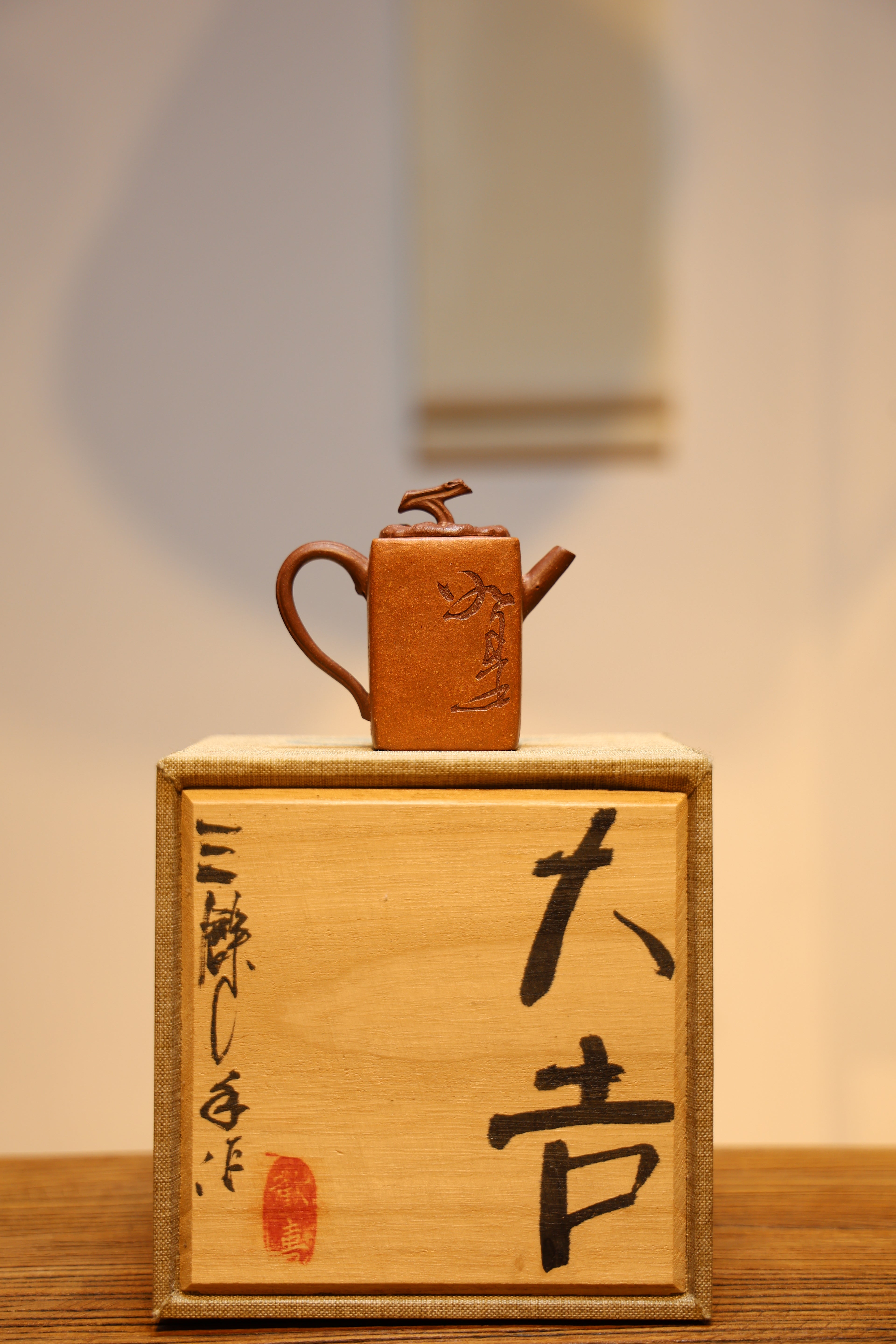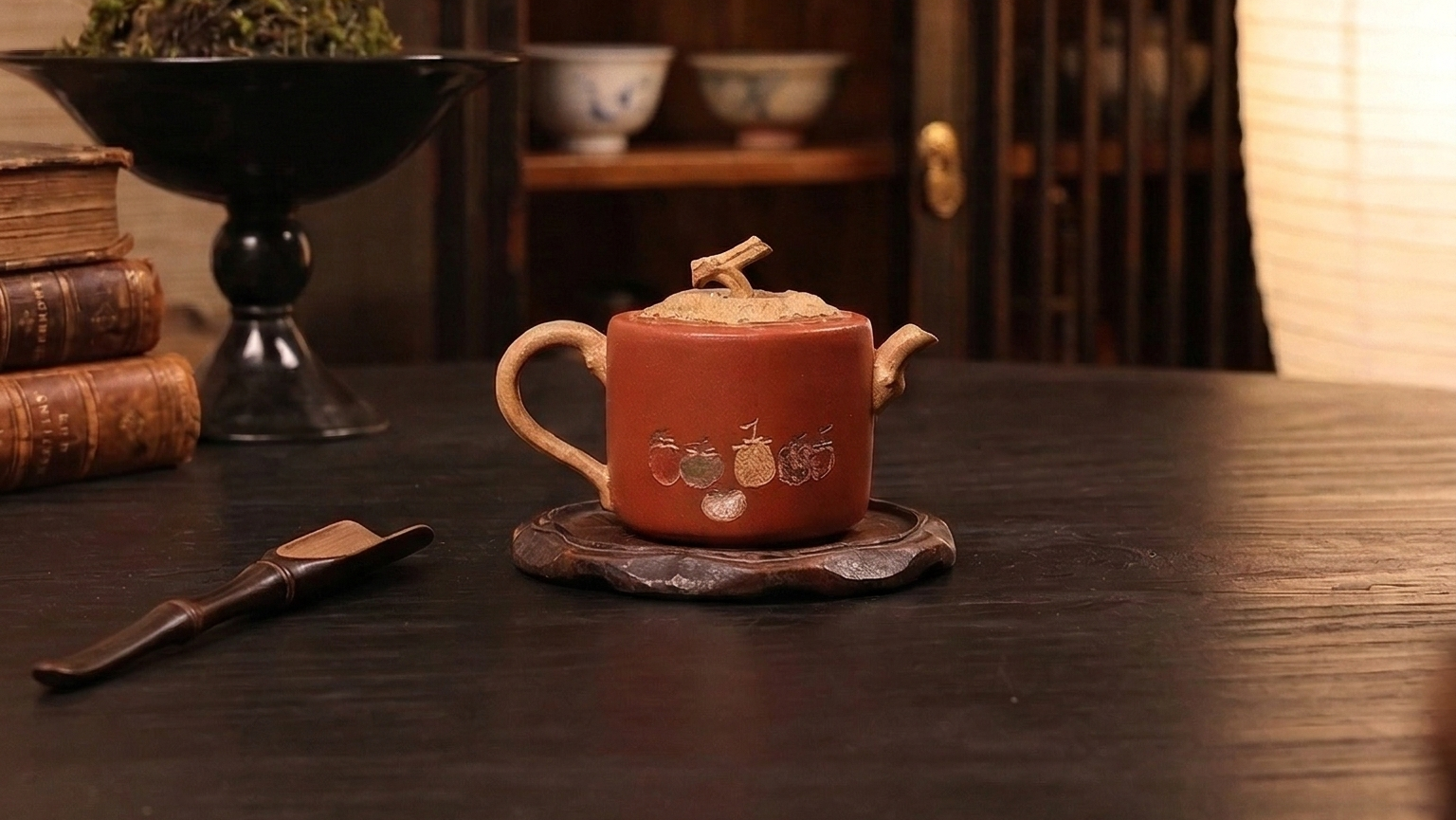
Kicking off a exhaustive study of Ihsing Tz'u Sha porcelain pots brings distinct fascinating fusion involving mastery and utility.
Ihsing Zi Sha earthenware pots carry this unequaled appeal to aficionados across the globe. Such notable ceramic vessels, coming from the unique Ihsing area in Jiangsu zone, China, constitute more than just steeping vessels; they are esteemed as works creative beauty and heritage significance. Such finely graded clay, known as Zisha, imparts a soft flavor onto the tea, and the detailed designs, often showcasing traditional Chinese motifs, raise their built-in value. Obtaining a genuine Yixing Zisha teapot involves a rewarding journey, asking for careful scrutiny and an comprehension of the several factors influencing the exclusivity.
Delving into Yixing Teapots
Yi-hsing brewing vessels boast a storied past deeply interwoven with Chinese civilization. Originating in Yixing, Jiangsu area, these jugs are crafted from a unique, porous purple soil found only in that specific location. Their advancement began during the Ming period, with master potters refining the skills over generations. Assorted types can be seen, including the classic Hexiang (resembling crab shells), Zhuni (red-brown hue), and Duan Ni (stone-studded) – each with distinctive features. The merit of an Yixing vessel isn't solely based on its size or trim, but also on the creator’s reputation, the earth's quality, and the pot’s age and condition. Buyers often seek out older examples, Yixing Zisha Teapot believing they imbibe the nuance of the liquid brewed within them over time, further adding to their status.- Antique Earthen Pots
- Chestnut Clay Pots
- Duan Ni Clay Pots
Zisha Teapot Mastery: Craftsmanship & Approaches
Exclusive fabrication of Zisha teapots represents a culmination of Chinese ceramic expertise. Professional artisans employ traditional techniques, often passed down through ancestry, to unlock the full quality of this unique clay. Techniques involve meticulous crafting by hand, often combined with the coiling method, followed by precise drying at incredibly strong temperatures in wood-fired kilns. Embellishing is equally crucial; craftsmen utilize unprocessed clay colors and may incorporate sculpting work to depict intricate scenes or patterns, demonstrating a profound insight of the material’s capabilities and voice. The outcome teapot isn't merely a vessel for tea, but a testament to a valuable cultural legacy.
Eastern Pottery: A Insight to Issing Zisha
Examining the world of a teapots generally leads with Yixing Zisha. These singular clay brewing tools are crafted from a unique type of clay discovered only in the Yixing region of the Jiangsu district province. Noted for its distinctive reddish-purple hue and fine traits, Zisha clay conveys a refined flavor to the drink and develops with age, turning into a cherished gem. Amassing Yixing Zisha earthenware is more than just acquiring a beautiful object; it’s a commemoration of custom and skill.
Delving into that Earthenware: Legitimacy & Advancement
Investigating the environment of Yixing Zisha earthenware can be absolutely fruitful, but entails a careful cognition. Validity is required; plentiful duplications occur, routinely craftily fabricated. Becoming knowledgeable about ancestral curing practices, defining earth qualities, and the signatures of reputable manufacturers is fully essential. Besides, comprehending the details of the value swing – influenced by conditions such as heritage weight and the state of the piece – is fundamental to fruitful collection.
- Researching roasting heritage.
- Engaging experts for attestation.
- Evaluating trading trends.
That Discipline of Making with a Stoneware Container
Such exclusive allure of a Zisha tool lies not just in its stunning appearance, but also in its profound impact on the bouquet of the infusion. These antique clay earthen vessels, sourced from particular regions of China, possess a fundamental porosity that softly interacts with the moisture and leaves, imbuing the infusion with a nuanced character. Mastering the craft requires a attentive approach, understanding how the substance responds to distinct temperatures and botanical types, ultimately leading to a genuinely rewarding consuming journey.
Nurturing A Asset
Proper upkeep of your Yixing brewing pot is critical to retaining its quality. These singular teapots, crafted from remarkable Yixing clay, accumulate a character over generations that enhances their significance. Occasionally rinse the core with gentle water, avoiding chemicals, and never use severe scrubbing tools. A gentle dusting with a plush cloth can aid in wiping away stains. Allow your container to absolutely dry after each occasion
Explaining Yixing: Factors Given Kettles Symbolize Exclusive
The famous appeal of Yixing teapots arises from the exclusive properties of Zisha clay, mined solely near Yixing, Jiangsu. This distinct clay, composed of ferruginous ceramic , holds a atypical combination of components that, as time passes, incorporate the note of the tea it contains. This produces a exclusive note for each teapot, allowing it a importance far above its first price and supporting to their honored status among collectors.
Locating the Suitable Eastern Pottery Piece: A Earthen Directory
Venturing into the world of Yixing clay teapots can feel complicated, but understanding the roots is imperative to determining a sought-after piece. These clay, sourced mainly from the area around Yixing, the Jiangsu area, is well-regarded for its uncommon permeability and ability to augment the essence of the beverage over age. Assess the profile, the color, and the visual appeal; a true Zisha teapot is more than just a pot; it's a masterpiece and a representation of traditional culture. Look for the symbol of the creator for clues to its roots and potential cost.