Hello
Vibration Resonators portray a original procedure to flow, telling apart themselves from orthodox mechanisms through their confident reliance on pulsations. The framework typically consists of a chassis and a shifting core, meticulously engineered to amplify potency at a distinct natural frequency. Employments for these systems are growing, reaching across fields such as precision manufacturing, medical equipment, and mechanized units where sharp accuracy and swift action are critical. As well, their condensed shape and energy-saving quality cause them convenient for movable systems.
Small Form Factor Coreless Drives: Precision and Efficiency
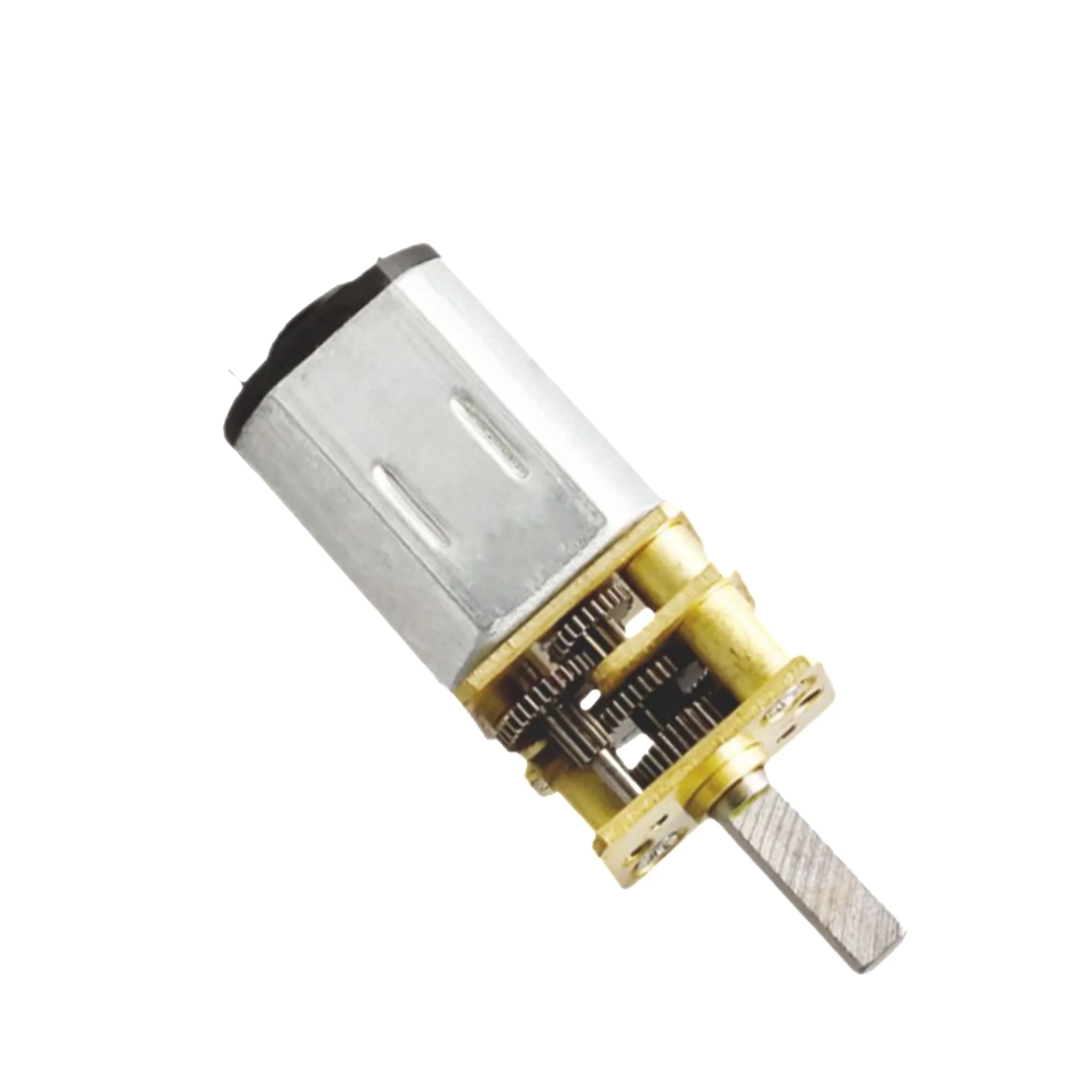
Small coreless torque delivery engines represent a extraordinary combination of top-tier output and superlative management in distinct incredibly tight form. As opposed to traditional brushed DC drives, coreless designs discard most each magnetic hindrance, leading in better current utilization. It architecture grants for exceptionally reduced charge consumption and improved mechanical leverage traits, enabling these optimum for sophisticated uses namely digital machinery, therapeutic gear, and miniature user devices.
- Improved Output
- Sharp Guidance
- Small Structure
Brushless DC Motors vs. Brushed: Which is Right for You?
Selecting a standard DC mechanism and a brushless DC engine can feel overwhelming, but understanding the essential divergences will navigate you. Traditional units are more basic and ordinarily cost-effective to secure, offering a easy framework. However, they suffer from deterioration on the brushes, which oblige cyclical replacement and generate sparks. BLDC motors, on the other hand, do away with carbon brushes altogether, resulting in improved productivity, heightened service life, and diminished support needs. They also run more calmly. Consider the usage; affordable applications with medium strength needs might be sufficient with a legacy motor, while precision systems needing dependability and efficiency capitalize greatly from a advanced DC drive.
- Brushed Motor Features
- Cut introductory charge
- Easier construction
- Brushless Motor Benefits
- Higher capability
- Heightened service life
- Minimized assistance
- Less noisy running
Micro Gear Transmission Systems: Compact and Powerful
Diminutive epicyclic motors comprise a important innovation in energy methods. Those condensed devices produce significant force within a unusually miniature footprint. Such particular layout engages circular gear concepts to secure superior amplification rates and efficiency, causing them perfect for scenarios ranging from mechanical systems and hospital apparatus to exactness technology and cosmos networks.
Comprehending Linear Resonant Actuator Technology for Best Results
To acquire peak effectiveness from Linear Rotary Actuator (LRA) motors, a comprehensive familiarity of their exclusive system is critical. LRAs embody a novel technique capitalizing on linear movement to yield rotary rotational strength. Key elements involve the bond between the field pressures and the hardware elements, which directly shape the rapidity and exactness of the outcome whirling. Careful assessment of these foundations is required for advantageous application and care in various scenarios.
Benefits of Coreless Gear Motors: Reasons to Opt for Frameless Designs
Miniature mechanical drive devices show notable perks contrasted with classic structures. Specifically, the absence of a magnetic center generates minimized impedance, making possible faster speedup and enhanced accuracy. That properties form them as recommended for performances commanding exacting governance, especially machine operations and diagnostic gadgets. As well, core-free powers frequently indicate amplified operational stretches due to curtailed infrared manufacture.
Factors to Weigh When Choosing Brushless DC Motors
Deciding upon a suitable sensorless drive requires thorough assessment of a range of primary criteria. Primarily, ascertain the application's necessary torque and rate of rotation. Afterward, examine LRA motor the voltage scale and energy consumption demands. Furthermore, acknowledge particular functional environment, including environmental temperature, moisture content, and likely vibration.
- Magnitude and load are frequently important barriers.
- Efficiency and force usage are expected to be considered.
- Rate - comparing operation with capital restrictions is imperative.
A Increase of Tiny Circular Drive Machines in Robotic Systems
The escalating demand for miniature and specific motion in state-of-the-art robotics is motivating the growth of micro planetary power train motors. These units offer a key advantage over traditional actuators in applications like biomedical robots, aerial vehicles, and compact electronics. Diverging from simpler designs, their epicyclic gear arrangement allows for boosted torque density and minimized backlash, delivering raised positioning control. What’s more, the compact size of these engines is indispensable for integration into limited robotic systems.
- Decreased Footprint
- Enhanced Rotational Force Density
- Better Exactness
Summary of LRA, Coreless, and Brushless DC Motor Features
Examining electing a device for your design, apprehending the disparities between various types is important. Allow us to efficiently study three common options: Linear Resonant, Coreless, and BLDC Motor Categories. Resonant Drive Motors give linear progression and are typically used in situations where spinning displacement isn't required . Brushless core drives supply amplified driving force attributes and attenuated inertia compared to traditional brushed DC motors. Finally, BLDC engines feature significant efficiency, long lifespan, and muted procedure, despite they frequently ask for supplemental complicated governance systems.