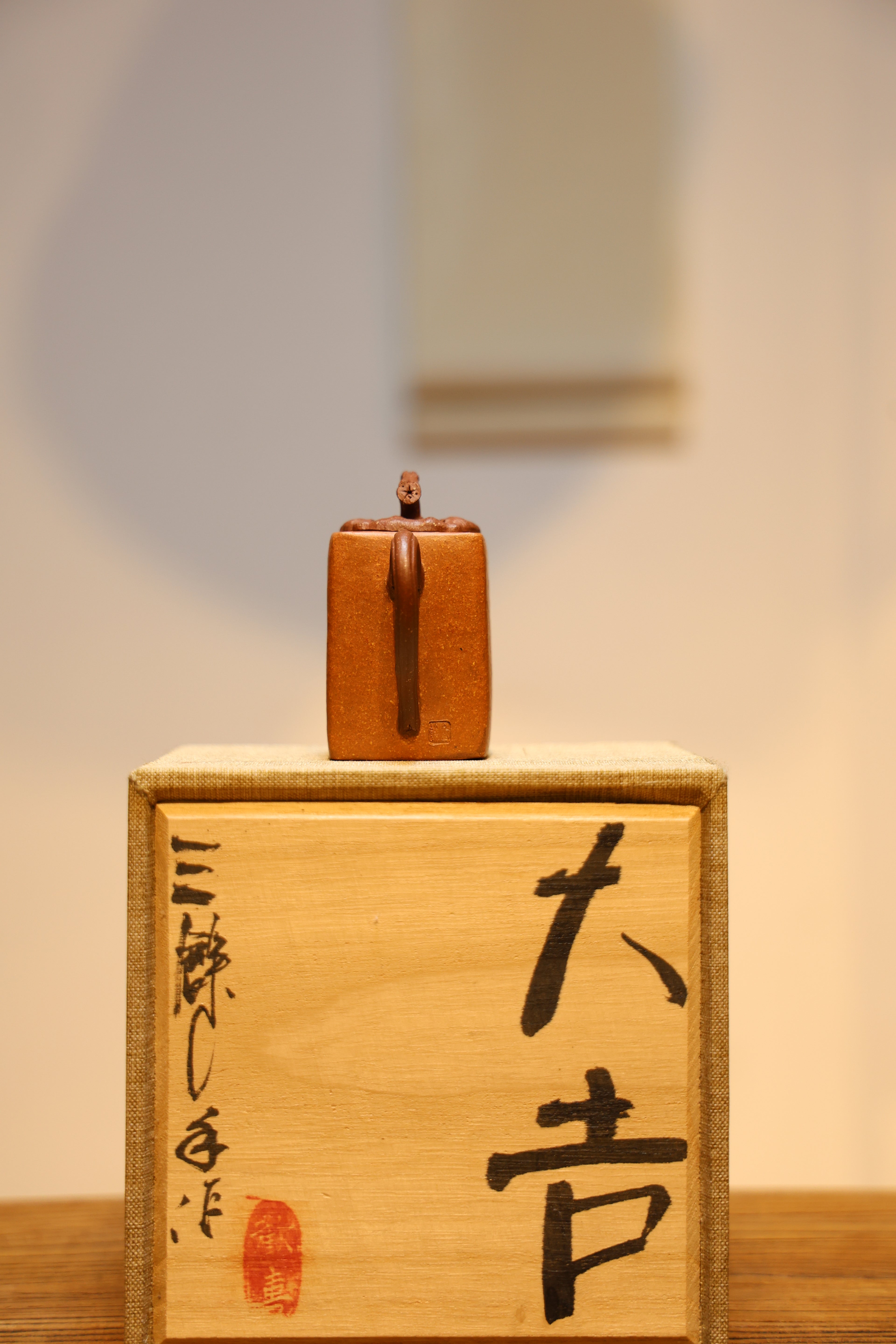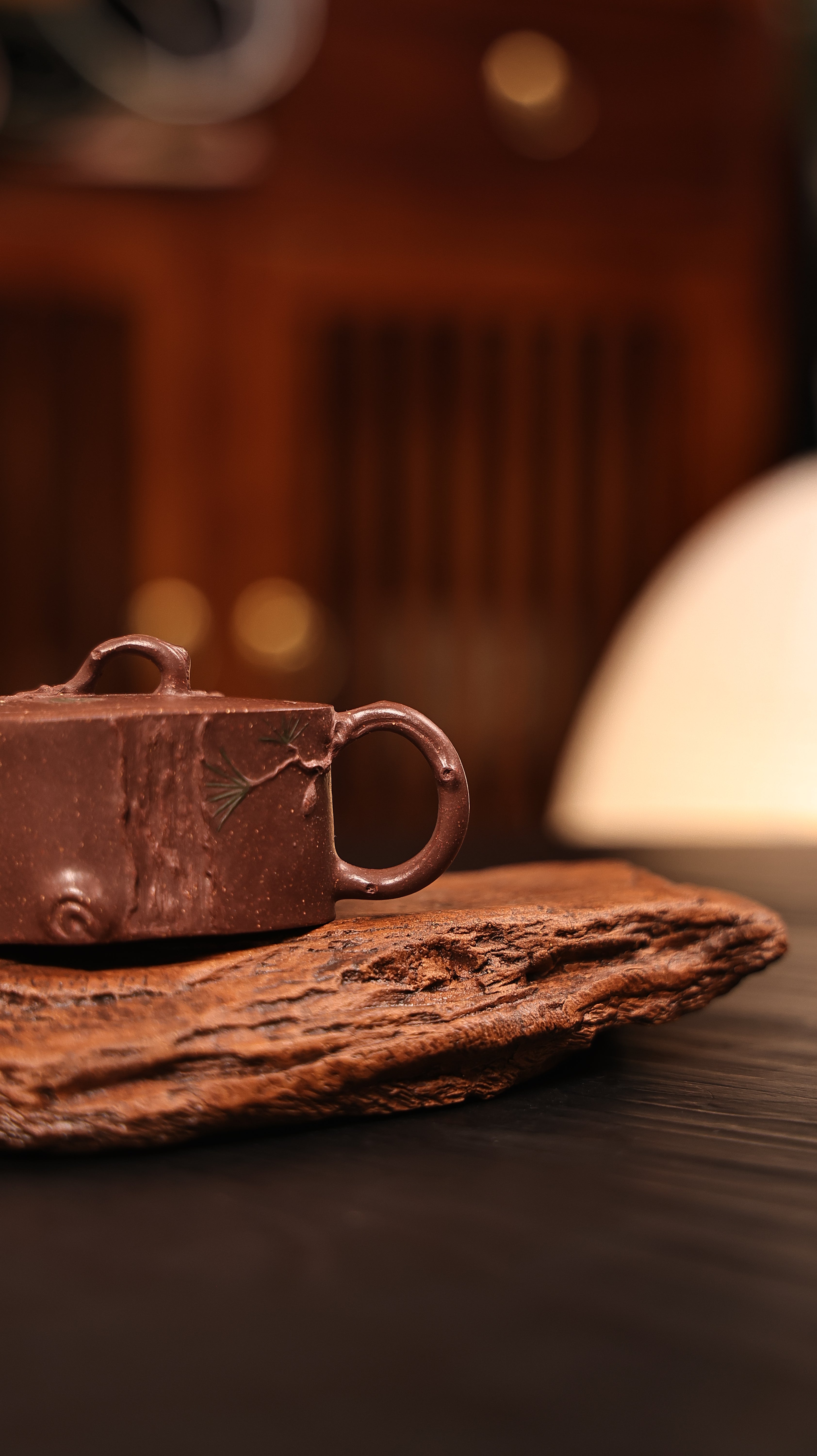
Launching your thorough review regarding Ising Tzu-sa clay pots provides one engaging alloy involving mastery conjoined with serviceability.
Yihsing Zisha clay pots possess a unique charm among collectors internationally. Such fascinating porcelain containers, derived from the unique Ihsing area in Jiangsu province, China, embody more than just steeping vessels; they are regarded as works creative beauty and heritage significance. Such finely refined clay, known as Zisha, imparts a understated flavor in the tea, and the decorative designs, often mirroring traditional Chinese imagery, contribute to their core value. Gaining a genuine Yixing Zisha teapot constitutes a gratifying journey, demanding careful inspection and an grasp of the various factors influencing the uncommonness.
Investigating Yixing Earthenware Pots
Ihsing teapots boast a colorful heritage deeply interwoven with Chinese heritage. Originating in Yixing, Jiangsu division, these ceramic jars are crafted from a unique, porous purple earth found only in that singular location. Their formation began during the Ming dynasty, with master sculptors refining the approaches over centuries. Diverse types prevail, including the classic Hexiang (resembling crab shells), Zhuni (red-brown hue), and Duan Ni Yixing Teapot (stone-studded) – each with distinctive aspects. The worth of an Yixing earthenware pot isn't solely based on its size or adornment, but also on the craftsman’s reputation, the substance's quality, and the vessel’s age and condition. Curators often seek out older examples, believing they imbibe the nuance of the elixir brewed within them over time, further adding to their status.- Antique Clay Pots
- Chestnut Clay Pots
- Rock-Decorated Clay Pots
Zisha Teapot Mastery: Craftsmanship & Procedures
Exclusive production of Zisha teapots represents a zenith of Chinese ceramic expertise. Professional artisans employ age-old techniques, often passed down through descendants, to unlock the full charm of this unique clay. Approaches involve meticulous modeling by hand, often combined with the coiling method, followed by precise glazing at incredibly potent temperatures in wood-fired kilns. Decorating is equally crucial; designers utilize inherent clay colors and may incorporate etching work to depict intricate scenes or patterns, demonstrating a profound expertise of the material’s characteristics and spirit. The conclusion teapot isn't merely a vessel for tea, but a testament to a deep cultural inheritance.
Oriental Teapots: The Summary to Yihsing 紫砂
Investigating the world of Traditional teapots generally starts with Yixing Zisha. These exceptional clay ceramics are formed from a specific type of clay mined only in the Yixing region of the Jiangsu area province. Distinguished for its typical reddish-purple hue and outstanding characteristics, Zisha clay offers a soft flavor to the elixir and advances with age, becoming a cherished treasure. Collecting Yixing Zisha clayware is more than just keeping a elegant object; it’s a celebration of heritage and skill.
Considering this Earthenware: Legitimacy & Advancement
Investigating the sphere of Yixing Zisha earthenware can be absolutely fruitful, but entails a careful cognition. Validity is required; plentiful duplications occur, routinely craftily constructed. Becoming knowledgeable about ancestral cooking practices, exclusive soil features, and the signatures of reputable manufacturers is fully essential. Besides, comprehending the details of the value trend – influenced by conditions such as antique weight and the appearance of the piece – is paramount to advantageous procurement.
- Investigating tempering lineage.
- Hiring authorities for substantiation.
- Judging commerce dynamics.
That Discipline of Preparing with a Stoneware Pot
This exclusive allure of a Zisha kit lies not just in its stunning appearance, but also in its illustrious impact on the aroma of the infusion. These antique clay earthen vessels, sourced from particular regions of China, possess a fundamental porosity that softly interacts with the moisture and leaves, imbuing the infusion with a nuanced character. Mastering the craft requires a attentive approach, understanding how the substance responds to varied temperatures and botanical types, ultimately leading to a genuinely rewarding consuming journey.
Nurturing A Asset
Proper attention of your Yixing ceramic vessel is necessary to continuing its quality. These singular teapots, crafted from remarkable Yixing clay, manifest a history over generations that improves their significance. Regularly rinse the core with gentle water, avoiding cleaning agents, and never use intense scrubbing tools. Some gentle buffing with a soft cloth can facilitate in doing away with residue. Allow your urn to completely dry prior to each preparation
Unlocking Terracotta: Elements This Clay Pots Exemplify Unique
The acclaimed appeal of Yixing teapots starts from the distinctive properties of Purple clay, extracted solely near Yixing, the Memorable Chinese region. This outstanding clay, classified as ferruginous mud , possesses a unusual combination of ingredients that, as years pass, absorb the taste of the beverages it houses. This generates a one-of-a-kind taste experience for each pot, providing it a price far outperforming its initial price and leading to their respected status among devotees.
Spotting the Best Ancient Kettle: A Zisha Manual
Venturing into the world of Zisha clay teapots can feel daunting, but understanding the essentials is important to picking a cherished piece. That kind of clay, sourced predominantly from the Yixing vicinity, the Jiangsu zone, is acclaimed for its characteristic porosity and ability to improve the flavor of the liquor over stretch. Appraise the outline, the saturation, and the presentation; a bona fide Zisha teapot is more than just a jug; it's a handmade piece and a manifestation of historic culture. Seek the stamp of the craftsman for clues to its history and potential worth.