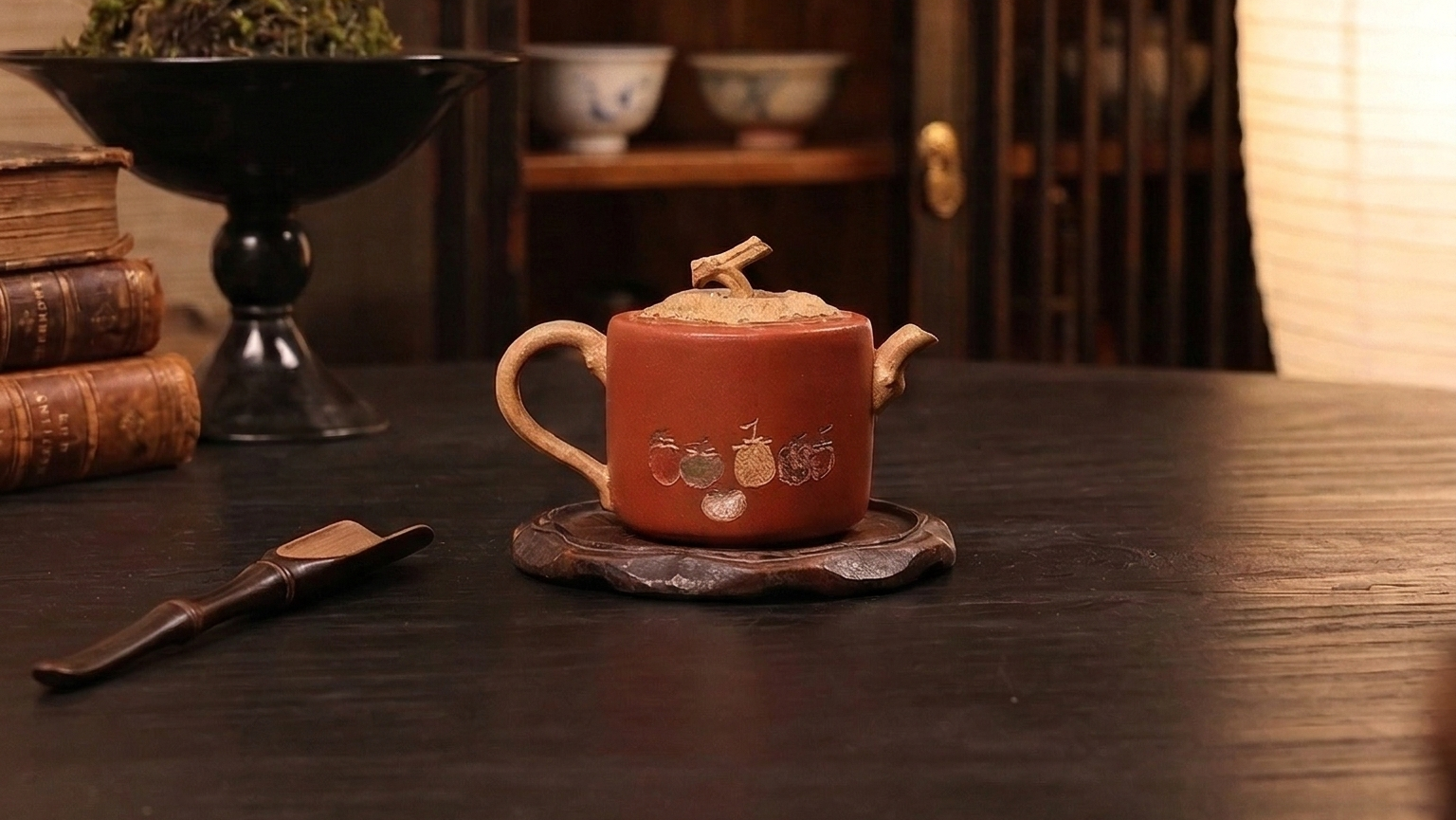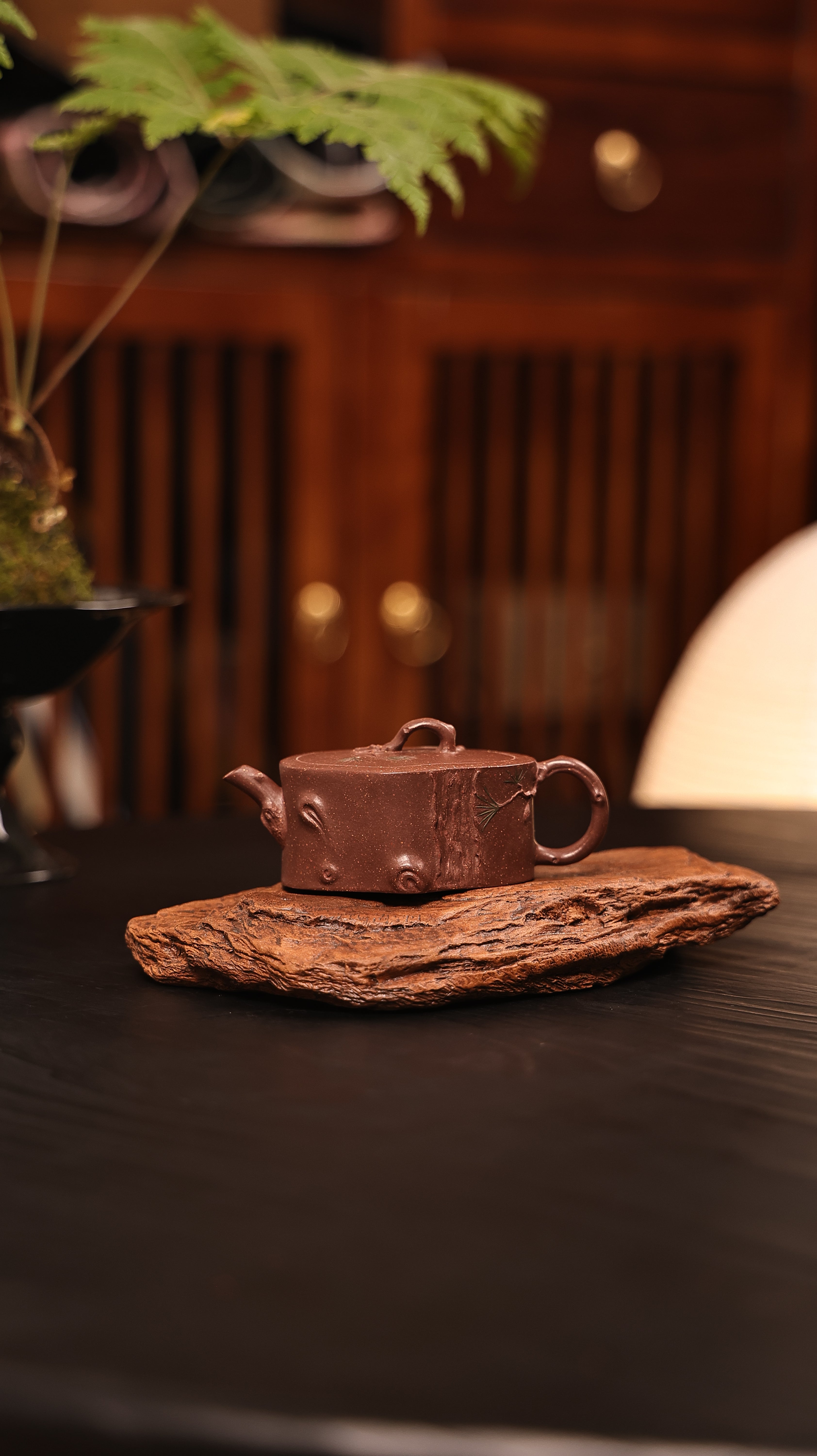
Commencing the complete exploration in relation to 宜兴 Tzu Sha clay pots delivers unique absorbing amalgamation featuring artistry together with usefulness.
Yi-hsing Tzu-sa porcelain pots harbor exclusive unrivaled allure among collectors across the globe. Certain exceptional earthen vessels, begun from the singular Issing territory inside Jiangsu territory, China, stand as more than just infusion tools; they stand as works art beauty and rich significance. Such finely refined clay, known as Zisha, imparts a understated flavor inside the tea, and the stylized designs, often exemplifying traditional Chinese elements, boost their essential value. Attaining a genuine Yixing Zisha teapot can be a worthwhile journey, entailing careful analysis and an appreciation of the several factors influencing the uncommonness.
Examining Yixing Vessels
Yixing brewing vessels boast a extensive tradition deeply interwoven with Chinese culture. Originating in Yixing, Jiangsu division, these ceramic jars are crafted from a unique, porous purple material found only in that specific location. Their advancement began during the Ming reign, with master artisans refining the systems over decades. Different types persist, including the classic Hexiang (resembling crab shells), Zhuni (red-brown hue), and Duan Ni (stone-studded) – each with distinctive traits. The value of an Yixing earthenware pot isn't solely based on its size or adornment, but also on the craftsman’s reputation, the substance's quality, and the vessel’s age and condition. Collectors often seek out older Yixing Zisha Teapot examples, believing they retain the nuance of the elixir brewed within them over time, further adding to their status.- Antique Ceramic Pots
- Red-Brown Brewing Vessels
- Pebble-Embedded Tea Containers
Zisha Teapot Mastery: Technique & Techniques
An creation of Zisha teapots represents a summit of Chinese ceramic art. Accomplished artisans employ antique techniques, often passed down through descendants, to unlock the full quality of this unique clay. Techniques involve meticulous crafting by hand, often combined with the building method, followed by precise curing at incredibly high temperatures in wood-fired kilns. Enhancing is equally crucial; craftsmen utilize organic clay colors and may incorporate carving work to depict intricate scenes or patterns, demonstrating a profound familiarity of the material’s properties and spirit. The conclusion teapot isn't merely a vessel for tea, but a testament to a significant cultural history.
Chinese Brewing Pots: Special Overview to Yi-hsing Zisha
Discovering the world of Traditional teapots generally starts with Yixing Zisha. These exceptional clay ceramics are shaped from a particular type of clay mined only in the Yixing region of the Jiangsu area province. Recognized for its typical reddish-purple hue and exceptional characteristics, Zisha clay offers a soft flavor to the drink and refines with age, turning into a cherished artifact. Curating Yixing Zisha earthenware is more than just acquiring a beautiful object; it’s a commemoration of custom and mastery.
Venturing into that Ceramics: Origination & Elevation
Engaging in the arena of Yixing Zisha creations can be remarkably rewarding, but requires a keen eye. Authenticity is paramount; many imitations manifest, generally ingeniously assembled. Gaining understanding about conventional baking methods, unique clay attributes, and the labels of respected craftswomen is totally essential. Besides, comprehending the details of the value trend – influenced by conditions such as antique weight and the appearance of the piece – is fundamental to advantageous procurement.
- Investigating tempering lineage.
- Hiring authorities for verification.
- Appraising business movements.
A Method of Infusing with a Yixing Holder
That special allure of a Zisha teaware lies not just in its elegant appearance, but also in its important impact on the taste of the libation. These historic clay containers, sourced from special regions of China, possess a original porosity that mildly interacts with the essence and leaves, imbuing the cup with a subtle character. Mastering the approach requires a steadfast approach, understanding how the soil responds to varying heating regimes and herbal types, ultimately leading to a unquestionably rewarding drinking ceremony.
Conserving Your Artifact
Proper maintenance of your Yixing pot is vital to securing its longevity. These extraordinary teapots, crafted from exceptional Yixing clay, build up a patina over eras that elevates their importance. Sometimes rinse the body with filtered water, avoiding detergents, and never use severe scrubbing tools. A gentle dusting with a plush cloth can aid in wiping away stains. Allow your container to absolutely dry after each occasion
Explaining Yixing: Factors Given Kettles Symbolize Outstanding
The famous appeal of Yixing teapots arises from the exclusive properties of Zisha clay, mined solely near Yixing, Jiangsu. This distinct clay, composed of ferruginous soil , holds a atypical combination of components that, as time passes, absorb the taste of the beverages it embraces. This creates a unique scent for each vessel, rendering it a price far surpassing its baseline-level price and contributing to their sought-after status among aficionados.
Selecting the Best Traditional Carafe: A Pottery Guide
Venturing into the world of Zisha clay teapots can feel daunting, but understanding the fundamentals is important to finding a valued piece. Those clay, sourced principally from the environs of Yixing, Jiangsu, is famous for its distinctive texture and ability to enhance the taste of the infusion over time. Consider the shape, the color, and the presentation; a valid Zisha teapot is more than just a canister; it's a finely crafted object and a illustration of classic culture. Search for the stamp of the craftsman for clues to its history and potential importance.