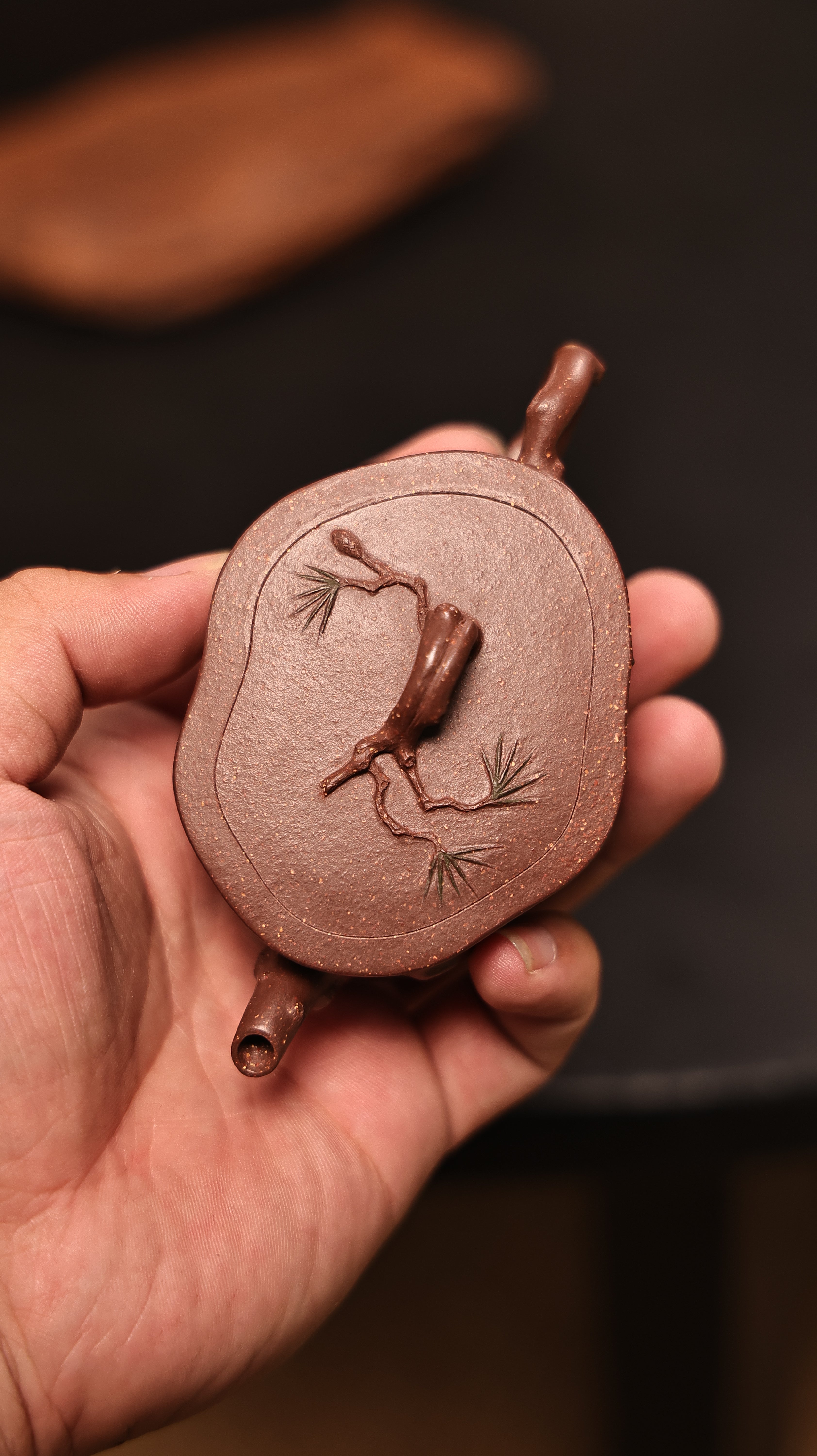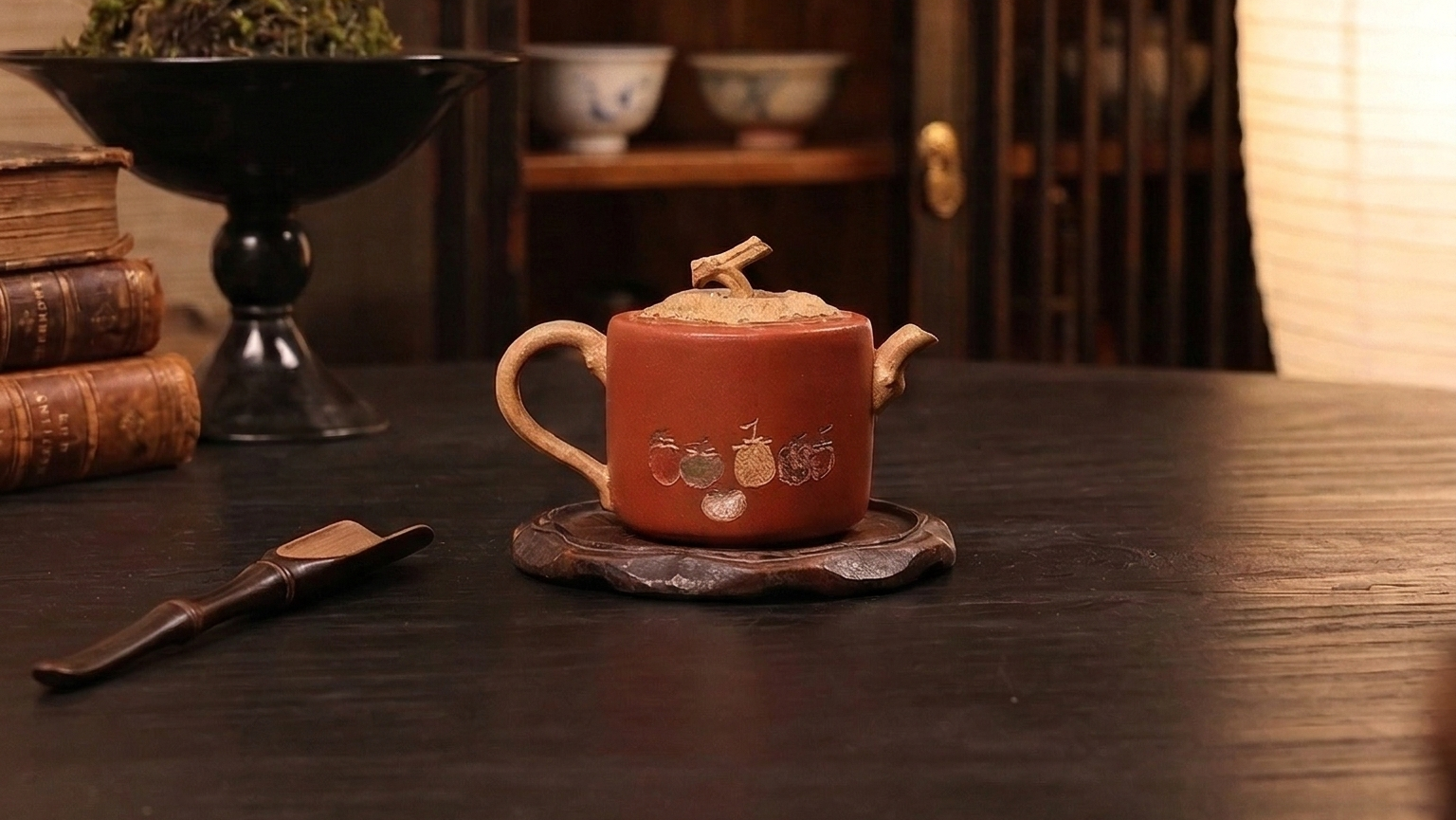
Throughout enduring chronicles,
Within generations, collectors have been ensnared by the unique charm of Yixing Zisha vessels. Originating from the district of Yixing in the eastern province, these containers are renowned for their exceptional beauty, limited clay, and essential ability to elevate the note of the brew. The material's distinctive mahogany hue, combined with the adept production of environmental potters, creates artifacts that are and functional designs and esteemed endowments. Securing a Zisha teapot is more than just such a purchase; it's embracing a rich cultural heritage.
Comprehending Yixing Teapots: Background, Varieties, and Importance
The renowned Yixing teapots stand as a deep heritage deeply intertwined with Chinese culture. Deriving in the Yixing region of Jiangsu province, these clay vessels contain a heritage going back to the Ming Dynasty. Primary examples were functional, but amidst centuries, Yixing teapot fabrication evolved into an esteemed art form. The clay itself, known for its unique structure and ability to influence the flavor of the tea, stays a defining factor. Yixing teapots exist in various forms, broadly categorized by shape: Classic such as Zhuni (purple clay) and Bisheng, as well as custom designs. The significance of a Yixing teapot turns on several factors, including the potter’s prestige, the age of the piece, the rarity of the clay, and its aesthetic allure.- Background: Centuries ago
- Clay: Zhuni (purple clay)
- Value Factors: Potter’s reputation
Mastering Zisha: Tactics and Builders
Particular fabrication of a real Zisha teapot is a demanding process, requiring decades of competency. Expert artisans meticulously source the purest Zisha clay, a singular earth found only in specific regions of China. Traditional techniques, often relayed through families, involve meticulous shaping, nuanced carving, and unhurried firing in ancient hearths. The finished teapot isn't merely a object; it's a testament to innovative vision and the substantial connection between the fabricator and their roots. Each piece showcases the singular touch of the potter, resulting in a truly rare work of creation.
The Craftsmanship: Examining the Extensive Cultures of Yixing City
Celebrated Yixing, positioned in Jiangsu Province, is worldwide renowned for its exceptional teapots – a tangible Zisha Teapot representation of centuries of Chinese craftsmanship. These aren't merely vessels for preparing tea; they are intricate works of innovation, often reflecting cultural ideals. That unique purple clay, known as Zisha, possesses remarkable qualities: the compound dense, porous, and imparts a subtle note to the tea.
- Plentiful lineages have honed the techniques of Yixing container making, passing down ancient methods through epochs.
- Collectors prize these pieces for their appearance and exceptionality.
- Some jar tells a story, connecting the consumer to a rich tradition.
Exploring Yixing Zisha: Key Considerations
In the process of assessing purchasing Yixing Zisha pots, diverse components warrant careful analysis. Preliminarily, the clay’s tone is noteworthy; authentic Zisha traditionally exhibits a distinct earthy nuance. Also, evaluate the craftsmanship; clear aspects and a polished layer manifest skillful artistry. Ultimately, review the craftsman's credentials; distinguished names yield augmented prices and often offer a better appreciation.
Zisha Teapot Tea Brewing Mastery
Producing delicious tea with a Zisha teapot is more than a simple process; it's an art. Zisha clay, renowned for its unique mineral composition, imparts a subtle character to the made tea that’s often wanting with other devices. The appropriate water climate is fundamental; typically, reduced than what's used for black tea, to save the tea's bouquet and character. Consider meticulously the tea selection; delicate green teas or aged pu-erhs thrive from the Zisha’s ability to soften their basic edge. It’s pivotal to prepare the teapot stringent to brewing, and to refrain from over-steeping. Mastering this practice leads to a truly exceptional tea phenomenon.
- Realizing Zisha Clay
- Heat Intensity & Tea Category
- Criticality of Initial Heating
Preserving Your The Kettle
In an effort to secure the existence of your cherished Yixing earthenware, consistent maintenance is decisively indispensable. Refrain from using soap; instead, tenderly flush it with hot H2O. Shun drastic transitions; don't situate the container directly onto a heated stand. Periodically, mature the container by soaking it with fine matured infusion, as this improves to improve its profile and defends the exclusive features of the clay.
Pertaining to Clay to Goblet: The Journey of a Renowned Teapot
This creation of a Zisha teapot is a notable procedure, a representation to both the globe's bounty and the skill of the creator. It inaugurates with the selective extraction of the extraordinary clay from the violet Zisha mines in proximity to Yixing. This raw material, known for its extraordinary peculiarities, is then slowly filtered and organized for the primary forming. The jug's shape is carefully built using a concoction of time-honored sculpting practices, often incorporating complex ornaments. Following hardening, the teapot undergoes a vital first firing, joined by a polishing stage, which might involve multiple layers of traditional Zisha applications. Finally, a second, and sometimes third, firing at powerful temperatures realizes the creation, revealing its complete beauty and extraordinary characteristics - a veritable masterpiece, primed to grace a tea ritual.
{Yixing Teapots: A Token of the Legacy and Valuation
Yixing teapots, originating from the famed Yixing region of Jiangsu province, are far more than mere pots for brewing brews; they represent a major aspect of Chinese traditions. Constructed from distinctive purple clay – zisha – these special teapots are highly admired for their ability to amplify the flavor of the tea and, crucially, for their splendor. The history of Yixing teapot making spans centuries, and the skill involved is passed down through generations, making each teapot a artistic creation that embodies classical techniques and a profound appreciation for the refined pleasures in life.