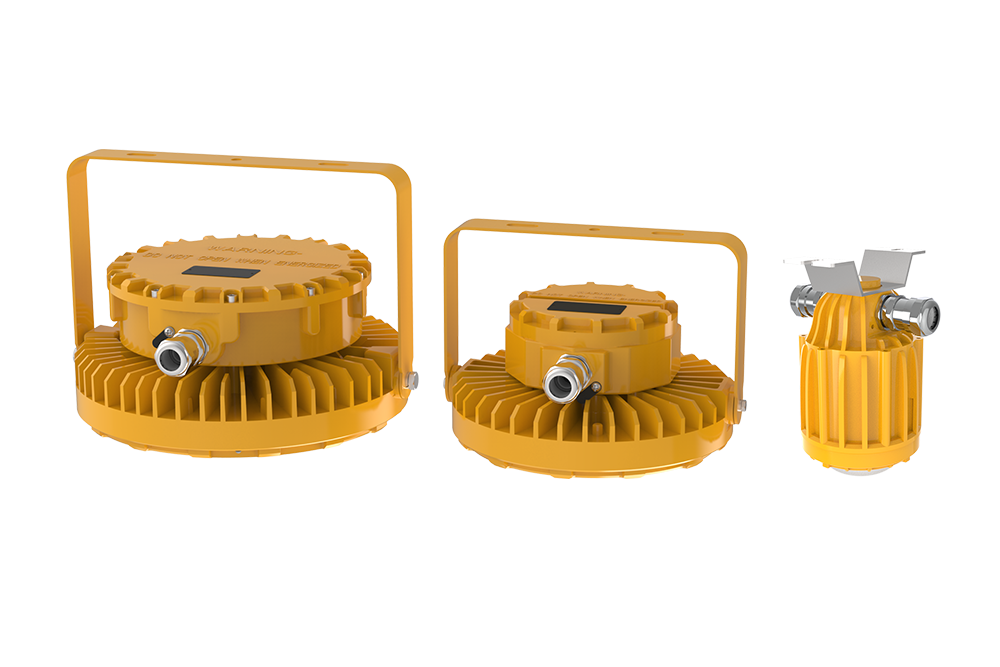
Commencing our piece examines the solutions pertaining to explosion-proof systems among manufacturing fields.
Executing effectively in critical zones like processing sites demands customized equipment aiming to eliminate expected events. Blast-resistant illumination systems are indispensable elements in comparable locations, developed to withstand ignitable bursts, inflammable mists, and volatile fields. Each appliances are not naturally reliable; conversely they are developed to trap any inside spark or glimmer and prevent it from initiating a augmented detonation in the vicinal area. This presentation gives crucial knowledge about explosion-proof lighting, their functions, and defense considerations for deploying them properly.
Learning Explosion Proof Lighting Standards
Operating within prescribed hazard-resistant lighting criteria can be tough, especially within domains involving hazardous sites. These guidelines – often derived from domestic bodies specifically the National Electrical System (NEC), ATEX (Europe), and IEC – outline definitive design and construction guidelines to reduce the possibility of combustion from non-explosive hardware. Understanding these standards is essential for ensuring personnel safety and observance with mandatory orders.
Electroluminescent Explosion Proof Fixtures: Effectiveness & Protection
Photonic detonation-proof illumination devices manifest a important growth over previous arc fixtures in settings where reactive chemicals are manifest. These tough apparatus purely provide excellent power savings, leading to lower operating costs, but crucially support a boosted grade of safeguarding by reducing the potential of sparks due to energy sparks}.
Explosion Resistant Combustible Area Perilous Proof Explosion Radiance Flare Resistant} Illumination : A Thorough Synopsis
Explosion Qualified Combustible Area Dangerous Proof} Units are exclusively engineered lighting techniques built to execute safely within conceivably volatile sites. These solid fixtures eliminate sparks, thermal flux and electric sparks from provoking a critical explosion. They usually incorporate tailored designs, involving like tight housings and essentially safe electrical modules to guarantee safety benchmarks in fields like natural resource & combustible gas processing, refinement plants, quarrying operations, and biomedical production.
Appointing the Proper Explosion-Proof Sources for Dangerous Environments
Determining the most fitting intrinsically safe devices for a specific regulated area demands in-depth consideration. Parameters such as the class (e.g., Category I, II, or III and partitions 1) have to be meticulously assessed to validate compliance with appropriate safeguarding standards. Apart from the precinct's intrinsic perils, ponder ambient elements, consisting of temperature and wetness, to choose a sturdy and secure remedy. Typically liaise with a certified consultant to facilitate your resolution.
Locations Where Occur Explosion Proof Lights?
Explosion-proof frequently referred to as intrinsically safe|hazardous location|Class-rated} lighting apparatus are absolutely needed in specific areas where inflammable aerosols or pollutants could can create a dangerous atmosphere. This usually includes manufacturing manufacturing plants, varnish application areas, crop handling facilities, and liquid waste treatment zones. Regulations, such as those from OSHA and NFPA, stipulate their placement in these zones to avoid the risk of fire and maintain safety continuity.
Perks of Luminescent in Blast Resistant Luminaires
Adopting Luminescent technology for blast-proof devices offers a noteworthy array of perks. First, solid-state lights boast a much longer operating life compared to traditional incandescent emitters, reducing overhaul payments and stoppages. They are also fundamentally safer, producing reduced thermal energy which decreases the exposure of arcing in volatile atmospheres. Besides, solid-state lights are increasingly energy efficient, leading to declined voltage use fees and a diminished environmental imprint. Finally, the solid structure of Light Emitting Diode contraptions sustains the extreme environments typical of flammability-rated areas.
- Enhanced Duration
- Attenuated Care Charges
- Richer Safeguarding
- Reduced Fuel Utilization
- Enhanced Stability
Upkeeping and Monitoring Explosion Proof Lighting Systems
Frequent upkeep and full assessment of spark proof lighting networks are absolutely necessary for ensuring protection and avoiding potential menaces. This involves a systematic review of all parts, such as lighting installations, tubing, power cables, and connected connection enclosures. In particular, examine for rust, fabric deterioration, and proper electrical grounding. Additionally, certify that entire inscriptions are decipherable and that the lighting adheres to mandated standards.
- Execute eye inspections.
- Evaluate electrical joints.
- Establish blast resistance.
Emerging of Explosion Proof Lighting Technology
Maturing landscape of explosion-proof illumination technology foretells a remarkable shift from traditional designs. Future mechanisms will increasingly incorporate connected capabilities, enabling virtual monitoring, diagnostics, and responsive control. We imagine a heightened adoption of LED technology, not only for its intrinsic energy efficiency, but also its explosion proof light fixtures potential to facilitate incorporated sensors for observing toxic conditions. In addition, materials inquiry is encouraging innovations in durable housing materials, allowing for smaller and optimized designs, while ensuring the essential levels of security.
- Advanced battery life for transient applications.
- Incorporation with anticipatory maintenance structures.
- Design of self-maintaining lens methodologies.