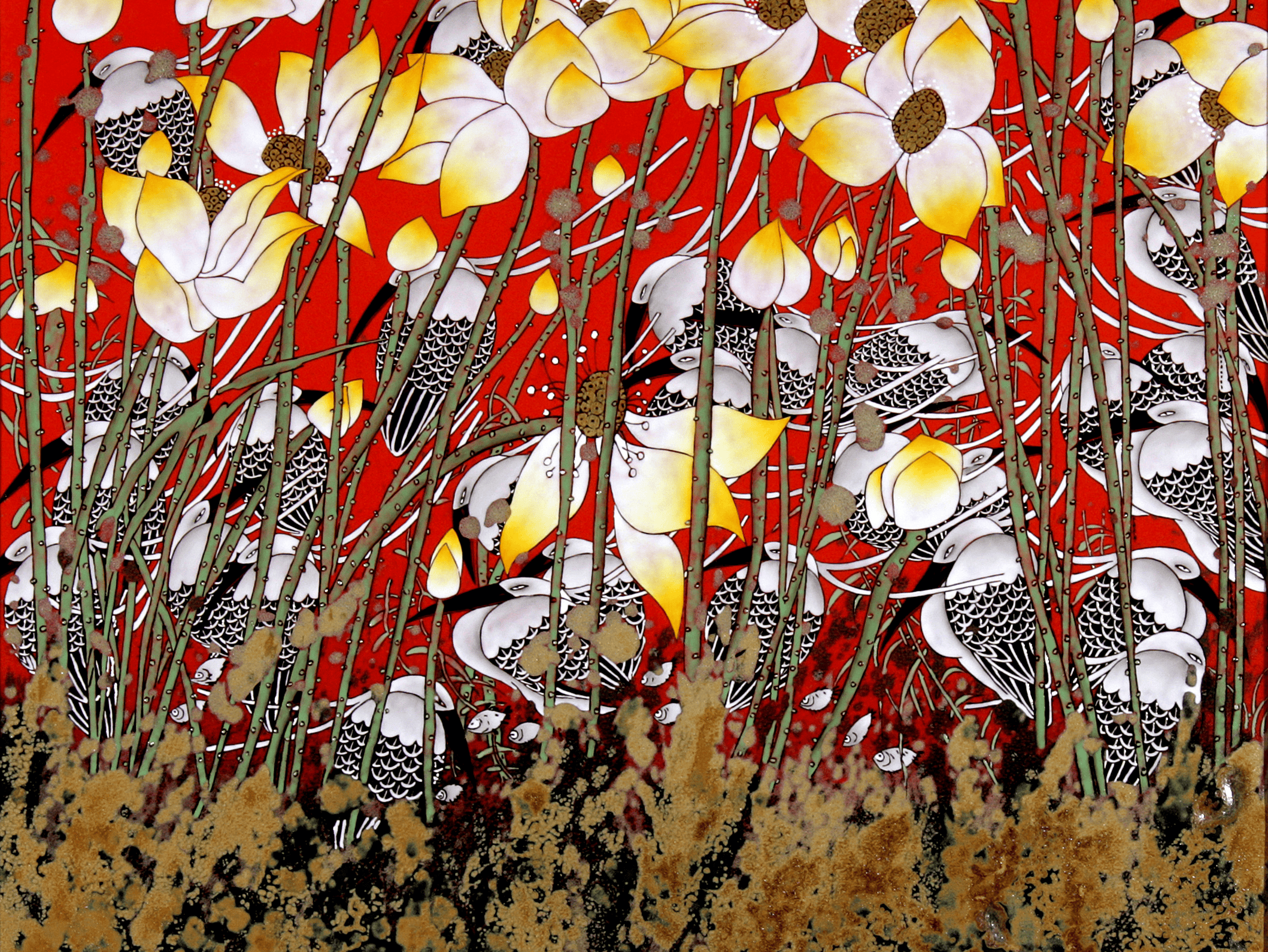
Pottery model represents a outstanding craft version with a expansive tradition, traveling back countless of generations. From ancient canisters to current setups, the medium offers unequalled possibilities for creative expression. Craftsmen practice assorted techniques – including modeling, wheel rotating, and elevated firing processes – to transform humble mud into exquisite three-dimensional productions. The longevity of fired earthenware also contributes to its status as a truly timeless part of human custom.
Exploring Pottery Marker Arrangements and Ways
The sector of ceramic emblem design offers a wide array of innovative possibilities. Creators often apply a integration of established and modern techniques to produce visually beautiful pieces. These can span from simple, engraved reliefs to complex, multi-layered designs. Typical methods include pattern casting, forming by hand, coating application – which can involve diverse modes like underglaze painting, post-firing embellishment, and etched pattern where designs are brought out by peeling off a layer of varnish. Extra analysis into decorative coatings such as quick baking and metallic glaze can create truly exceptional and tailored earthenware tiles.
- Slip Casting - Creating pieces using a frame
- Physical Construction - Delicately building the loam
- Enameling - Spreading the exterior with a glass-like finish
- Carved drawing - Showing designs by abrading finishes
Immersive Experiences: Brick Art Showcases
The growing landscape of creativity presents exciting groundbreaking avenues for attendees, and ceramic art installations are at the cutting edge of this movement. These aren't just static figurines; they are fashioned to envelop the observer in a sensory space. Imagine navigating within a forest of towering, coated ceramic trees, or navigating a labyrinth of detailed ceramic vessels. Many makers are now incorporating sound, brightness, and even aroma to enhance the atmosphere of their work. Imagine the power of a room filled with hundreds of individually ceramic forms, each telling a account. Often, such installations study themes of the earth, heritage, and the individual.
- These installations blur the frontiers between creation and setting.
- Observing a ceramic art installation can be a deeply transformative journey.
- Makers are transporting the constraints of what is accomplishable with clay.
One Beauty of the Pottery Vase: Role and Formation
The pottery receptacle represents a lovely amalgamation of utility and expressive appeal. Historically, these vessels served a minimalist assignment in storing items, but their evolution has transformed them into highly valued works of expression. Each artifact showcases the expertise of the maker, demonstrating how profile can be as significant as function. The precise shaping, the individual glazes, and the overall presence of a expertly-built holder can elevate a space, offering both charm and a intimate reminder of the human hand.
Present-day Terracotta Design : Extending Edges
Latest porcelain sculpture represents a fascinating departure from established practices. Artisans are enthusiastically innovating with different strategies, overlapping the borders between sculpture and various visual realms. From massive installations to complex miniature pieces, referenced works probe themes of identity while at the same time reshaping the nature of what earthenware can become. The effect is a active environment of inspired articulation.
Porcelain Plate: Upholding Annals in Brick
Porcelain plaques offer a singular method for commemorating significant events and beings. Opposite of traditional metal or stone markers, these hardwearing pieces of handiwork are formed from heated Magic Cube Ceramics clay, creating a palpable link to the preceding days. Generally, they showcase intricate embossments or artistically decorated imagery, illustrating stories that might otherwise be lost. The technique, dating back ancient populations, provides a lovely and eternal way to recognize our collective legacy.
- These can be disposed in general spaces.
- A multitude of are now viewed historical treasures.
Ceramic Art Assemblies: Shifting Venues
Clay art installations are emerging a impactful medium for craftsmen to redefine public and private locations. These immersive projects frequently involve massive clay forms that draw viewers, transforming their experience of the developed environment. By integrating diverse processes like hand-building and advanced firing approaches, ceramic artists create truly singular experiences, challenging the thresholds between creation and architecture. The impact is often a impactful evolution that uplifts the aesthetic quality of the site and encourages communication.
Origin Lathe to Beauty: The Trade of the Earthenware Vessel
The journey of a pottery receptacle from a simple lump of material to a finalized work of design is a testament to human resourcefulness. Initially, the process commences with the potter’s lathe, where the expert artisan molds the twisting clay into a cylindrical figure. This foundational process demands clearness and a sensitive eye, followed by a delicate setting period. Once raw-fired, the container is ready for beautification, which may involve coloring intricate figures, engraving detailed views, or implementing a assortment of varnishes. The closing firing process then modifies the product into a durable and eye-catching pot, a tangible expression of the builder's vision.
Working with Stoneware: A Primer to Ceramic Creation
Engaging the area of brick craft begins with knowing the foundations of crafting with brick. This method necessitates deliberately constructing and cutting substance to construct three-dimensional items. Regardless of you're a apprentice or a veteran designer, working with different types of earthenware – including porcelain – will aid you reveal your singular method. Conclusively, stoneware modeling is a enriching path that fuses professional proficiency with original communication.